

Do sonicators require special maintenance?
Dec 10, 2025
Leave a message
Do sonicators require special maintenance? Well, as a sonicators supplier, I've had my fair share of customers asking this very question. So, let's dive right in and explore whether these nifty devices need some extra TLC.
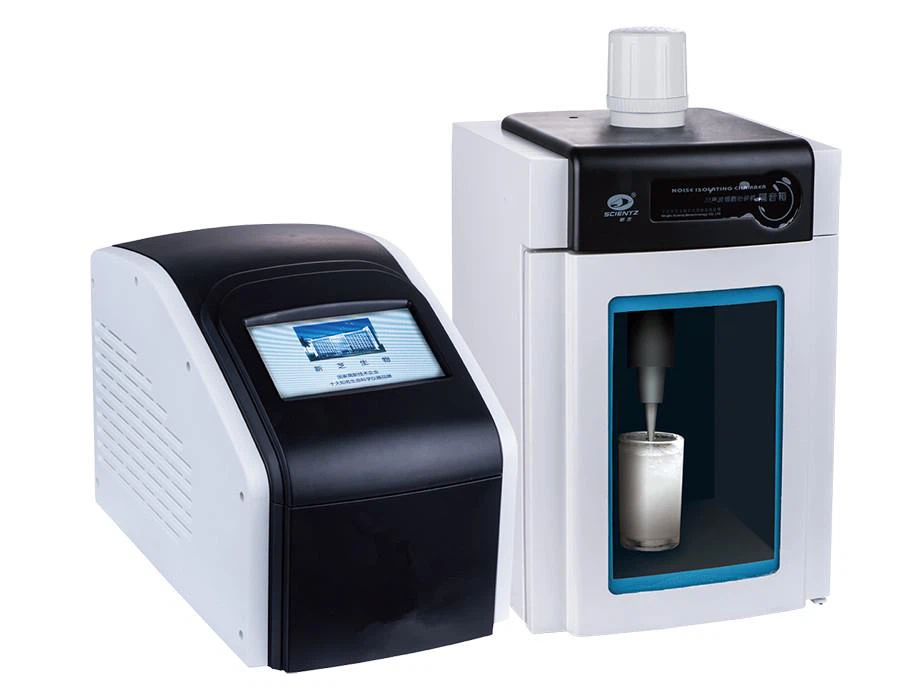
First off, what are sonicators? Sonicators are machines that use ultrasonic waves to disrupt cells, homogenize samples, and perform a whole bunch of other cool scientific tasks. They're super useful in labs for things like DNA extraction, protein purification, and even in the food industry for emulsifying and dispersing ingredients.
Now, back to the main question: do they need special maintenance? The short answer is yes, but it's not as daunting as it might sound.
Let's start with the basics. Just like any piece of equipment, sonicators need to be kept clean. After each use, it's a good idea to wipe down the exterior with a damp cloth. This helps get rid of any dust, dirt, or spills that might have occurred during operation. You don't want any grime building up on the surface, as it could potentially affect the performance of the machine over time.
The probe, which is the part that actually emits the ultrasonic waves, is another crucial component. It's in direct contact with the samples, so it can get pretty dirty. After use, you should clean the probe thoroughly. You can soak it in a mild detergent solution for a short period, then rinse it with distilled water. Make sure to dry it completely before storing it. A dirty probe can lead to inaccurate results and even damage the samples you're working with.
Another important aspect of maintenance is checking the cables and connections. Over time, the cables can get frayed or damaged, and loose connections can cause the sonicator to malfunction. Regularly inspect the cables for any signs of wear and tear, and if you notice any issues, it's best to replace them right away. You don't want to be in the middle of an important experiment and have the machine stop working because of a faulty cable.
The power supply is also something to keep an eye on. Make sure the sonicator is plugged into a stable power source. Fluctuations in voltage can damage the internal components of the machine. If you're in an area with unreliable power, you might want to consider using a surge protector to safeguard the sonicator.
Now, let's talk about calibration. Calibration is essential to ensure that the sonicator is working accurately. Over time, the performance of the machine can drift, and calibration helps to correct any discrepancies. You should have your sonicator calibrated regularly, depending on how often you use it. Some manufacturers recommend calibration every six months, while others suggest once a year. It's a good idea to follow the manufacturer's guidelines for calibration to get the most accurate results.
In addition to these basic maintenance tasks, there are a few other things you can do to keep your sonicator in top shape. For example, storing the sonicator in a cool, dry place can help prevent moisture damage. Moisture can cause corrosion and other problems with the internal components. Also, avoid exposing the sonicator to extreme temperatures, as this can also affect its performance.
So, as you can see, while sonicators do require some special maintenance, it's not overly complicated. By following these simple steps, you can extend the lifespan of your sonicator and ensure that it continues to perform at its best.
If you're in the market for a new sonicator, we've got some great options available. Check out our Buy Laboratory Ultrasonic Cell Homogenizer page for more information. We also have the Ultrasonic Separator Homogenizer and the Lab Homogenizer available.
If you have any questions about our products or need help with maintenance, don't hesitate to reach out. We're here to assist you in making the right choice for your lab and ensuring that your sonicator operates smoothly for years to come.
References

- General knowledge from the field of laboratory equipment maintenance.
- Manufacturer guidelines for sonicators.