

What is the temperature rise during sonication?
Dec 10, 2025
Leave a message
What is the temperature rise during sonication?
Sonication is a powerful technique widely used in various scientific and industrial fields, including biology, chemistry, and materials science. It involves the use of ultrasonic waves to generate cavitation bubbles in a liquid medium, which then collapse and produce intense local forces such as high - pressure shockwaves and microjets. While sonication offers numerous benefits, one of the significant challenges associated with it is the temperature rise in the sample.
The Mechanism of Temperature Rise during Sonication
The temperature increase during sonication is mainly due to two fundamental mechanisms: cavitation and viscous dissipation. Cavitation is the formation, growth, and implosion of vapor bubbles in a liquid under the influence of ultrasonic waves. When these bubbles collapse, they release a large amount of energy in the form of heat. The energy released during the collapse of a single cavitation bubble can be quite substantial, and when numerous bubbles collapse simultaneously, it can lead to a significant increase in the local temperature.
Viscous dissipation is another contributing factor. As the ultrasonic waves propagate through the liquid, they cause the molecules in the liquid to vibrate. The friction between these vibrating molecules results in the conversion of mechanical energy into heat energy. The magnitude of this effect depends on the viscosity of the liquid. Higher - viscosity liquids tend to experience more significant temperature rises due to viscous dissipation during sonication.
Factors Affecting Temperature Rise
Several factors influence the extent of temperature rise during sonication. The power output of the sonicator is a crucial factor. Higher power settings result in more intense ultrasonic waves, which in turn generate more cavitation bubbles and greater molecular vibrations. As a result, the temperature rise is more pronounced at higher power levels. For example, if you are using a Scientz - T Series Ultrasonic Extraction Machine, increasing the power from a low - level setting to a high - level setting will likely cause a more rapid increase in the sample temperature.
The duration of sonication also plays a significant role. The longer the sonication process lasts, the more energy is introduced into the sample, and the higher the temperature will rise. Therefore, it is essential to carefully control the sonication time to prevent overheating of the sample.
The volume and properties of the sample are also important. Smaller sample volumes tend to heat up more quickly than larger volumes because there is less mass to absorb the heat generated. Additionally, the thermal conductivity of the sample affects how quickly the heat is dissipated. Samples with low thermal conductivity will retain heat more effectively, leading to a more significant temperature rise.
The type of liquid medium used in sonication can have a substantial impact on temperature rise. For instance, water has a relatively high specific heat capacity, which means it can absorb a large amount of heat without a significant increase in temperature. In contrast, organic solvents with lower specific heat capacities may experience more rapid temperature increases during sonication.
Consequences of Temperature Rise
The temperature rise during sonication can have both positive and negative consequences. On the positive side, in some applications such as ultrasonic extraction, a moderate increase in temperature can enhance the extraction efficiency. The elevated temperature can increase the solubility of the target compounds and accelerate the diffusion process, leading to faster and more efficient extraction.
However, in many biological applications, excessive temperature rise can be detrimental. High temperatures can denature proteins, damage cells, and alter the structure and function of biological molecules. For example, in protein purification processes, if the temperature during sonication exceeds a certain threshold, the proteins may lose their native conformation and biological activity.
In materials science, overheating during sonication can cause changes in the physical and chemical properties of materials. For instance, it can lead to the degradation of polymers or the formation of unwanted phases in composite materials.
Controlling Temperature Rise
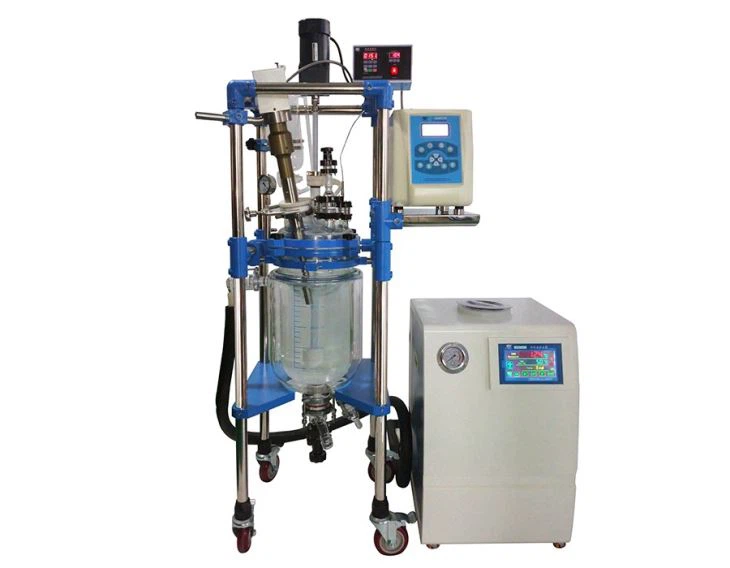
To mitigate the negative effects of temperature rise during sonication, several strategies can be employed. One common approach is to use a cooling system. This can be as simple as placing the sample container in an ice bath during sonication. The ice bath helps to absorb the heat generated and keep the sample temperature within a tolerable range.
Some advanced sonicators are equipped with built - in temperature control systems. These systems can monitor the temperature of the sample in real - time and adjust the power output of the sonicator accordingly. For example, if the temperature of the sample starts to rise above a pre - set limit, the sonicator will automatically reduce the power to prevent further overheating.
Another strategy is to use pulsed sonication. Instead of continuous sonication, the ultrasonic waves are applied in short pulses with intervals in between. During these intervals, the sample has time to dissipate the heat, reducing the overall temperature rise.
Our Offerings as a Sonicator Supplier
As a leading supplier of sonicators, we understand the importance of temperature control in sonication processes. Our JY98 - IIIN/JY98 - IIIDN/JY99 - IIDN Ultrasonic Machine Homogenizer comes with advanced features to help you manage temperature rise. These sonicators offer adjustable power settings, allowing you to optimize the sonication process based on your specific sample requirements. You can start with a lower power setting and gradually increase it while closely monitoring the temperature.
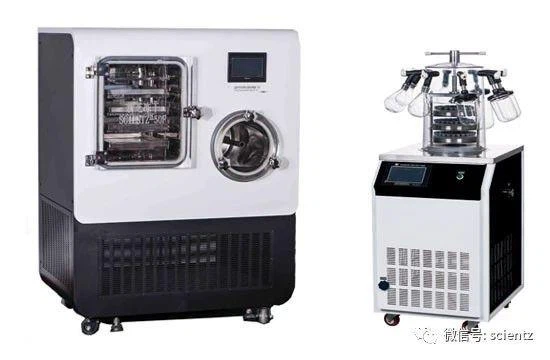
We also offer the High Quality Lab Mini Slush Machine For Tissue Samples, which can be used in conjunction with our sonicators to provide effective cooling during sonication. This slush machine can maintain a low and stable temperature for your samples, ensuring that the biological or chemical integrity of your samples is preserved.
Conclusion
Understanding the temperature rise during sonication is essential for achieving successful and reliable results in various applications. By being aware of the mechanisms, factors, and consequences of temperature rise, you can take appropriate measures to control it. As a professional sonicator supplier, we are committed to providing you with high - quality sonicators and accessories that can help you manage temperature rise effectively.
If you are interested in our products or have any questions regarding sonication and temperature control, we encourage you to contact us for a detailed discussion and procurement negotiation. We look forward to working with you to meet your sonication needs.
References
- Mason, T. J. (1990). Sonochemistry: the uses of ultrasound in chemistry. Elsevier.
- Suslick, K. S. (1988). Sonochemistry. Science, 247(4947), 1439 - 1445.
- Leighton, T. G. (1994). The acoustic bubble. Academic Press.