

What is the role of the control system in a lyophilizer?
Jan 06, 2026
Leave a message
Yo, what's up everyone! As a supplier of lyophilizers, I've gotten tons of questions about how these machines work and what each part does. One of the most frequently asked questions is about the role of the control system in a lyophilizer. So, I thought I'd break it down for you in this blog post.
First off, let's talk about what a lyophilizer is. A lyophilizer, also known as a freeze dryer, is a machine that removes water from a product by freezing it and then sublimating the ice directly into vapor. This process helps preserve the product's structure, flavor, and nutritional value, making it ideal for a wide range of industries, from food and pharmaceuticals to biotechnology and archaeology.
Now, let's get into the control system. The control system in a lyophilizer is like the brain of the machine. It's responsible for monitoring and regulating all the key processes that happen during the freeze-drying cycle. Without a proper control system, the lyophilizer wouldn't be able to function effectively, and the quality of the end product could be severely compromised.
Temperature Control
One of the most important functions of the control system is temperature control. During the freeze-drying process, the product needs to be frozen to a very low temperature, usually below -40°C. The control system ensures that the freezing process happens at the right rate and to the right temperature. It monitors the temperature inside the drying chamber using sensors and adjusts the cooling system accordingly.
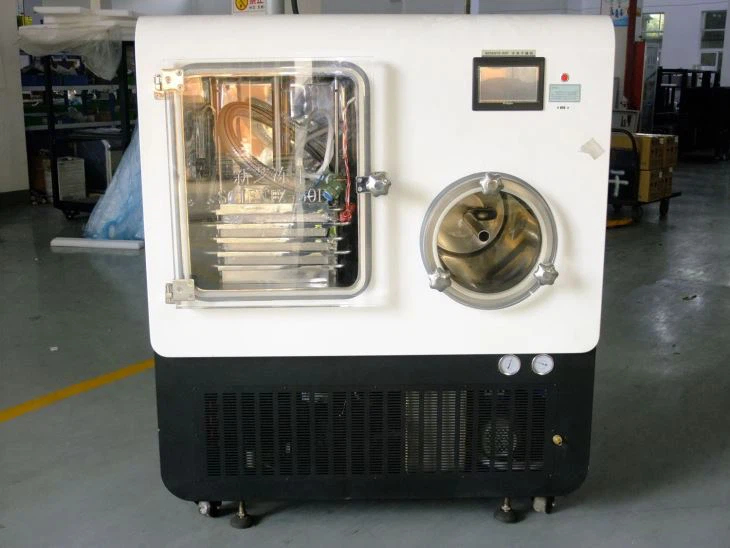
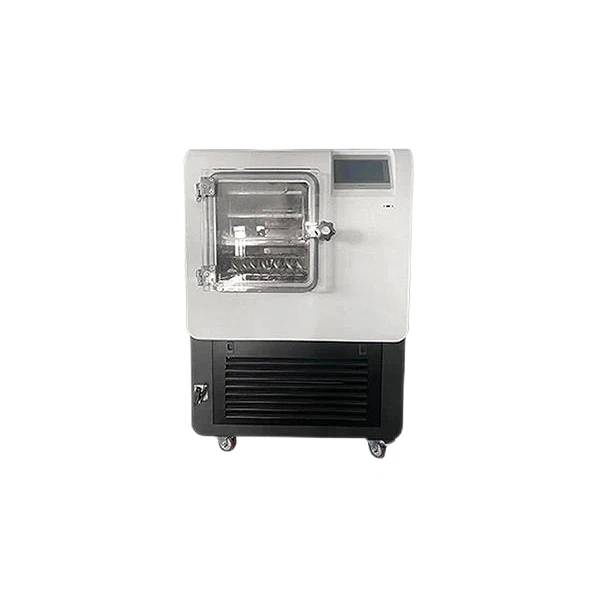
Once the product is frozen, the control system then manages the sublimation phase. Sublimation is the process where the ice turns directly into vapor without going through the liquid phase. This requires careful control of the temperature and pressure inside the chamber. The control system gradually raises the temperature to allow the ice to sublimate, while also maintaining a low pressure to prevent the ice from melting.
Pressure Control
Pressure control is another crucial aspect of the freeze-drying process. The control system maintains a low pressure inside the drying chamber to facilitate sublimation. It uses a vacuum pump to remove the air and water vapor from the chamber, creating a low-pressure environment. The control system continuously monitors the pressure and adjusts the vacuum pump to keep the pressure at the optimal level.
If the pressure is too high, the ice may melt instead of sublimating, which can ruin the product. On the other hand, if the pressure is too low, the sublimation process may be too slow, leading to longer drying times and higher energy consumption. The control system ensures that the pressure is just right throughout the entire cycle.
Process Monitoring and Data Logging
The control system also plays a key role in process monitoring and data logging. It constantly monitors various parameters such as temperature, pressure, and time, and records this data for later analysis. This data is essential for quality control and process optimization.
By analyzing the data, operators can identify any issues or deviations in the freeze-drying process and make adjustments as needed. They can also use the data to validate the process and ensure that it meets the required standards and regulations. The control system may also have alarms and notifications to alert operators if any critical parameters go out of range.
Automation and Recipe Management
Modern lyophilizers often come with advanced control systems that offer automation and recipe management capabilities. This means that operators can program the control system to follow a specific set of instructions or recipes for different products. The control system will then automatically execute the freeze-drying cycle according to the programmed recipe, without the need for constant manual intervention.
This not only saves time and labor but also ensures consistency and reproducibility in the freeze-drying process. Operators can easily switch between different recipes for different products, making the lyophilizer more versatile and efficient.
Role in Different Applications
The control system's role can vary depending on the specific application of the lyophilizer. For example, in the food industry, the control system may need to be optimized for different types of food products. A Freeze Dried Yogurt Machine may require a different set of temperature and pressure profiles compared to a machine used for freeze-drying fruits or vegetables.
In the pharmaceutical industry, the control system needs to meet strict regulatory requirements. It must ensure that the freeze-drying process is reproducible and that the final product meets the required quality standards. The control system may also need to be able to integrate with other equipment in the production line, such as filling machines and packaging equipment.
For applications like freeze-drying archaeological items, the control system plays a crucial role in preserving the integrity of the artifacts. A Freeze Dryer For Freeze-dried Archaeological Items needs to be carefully calibrated to ensure that the delicate items are not damaged during the freeze-drying process. The control system monitors the temperature and pressure to prevent any sudden changes that could cause cracking or other forms of damage.
In the case of Freeze Dryer For Catalyst Equipment, the control system is designed to optimize the freeze-drying process for catalysts. Catalysts often have specific requirements for their structure and activity, and the control system ensures that these requirements are met during the freeze-drying process.
Why Our Control Systems Stand Out
As a lyophilizer supplier, we take pride in our control systems. Our control systems are designed with the latest technology and are highly reliable. They offer precise control over all the key parameters of the freeze-drying process, ensuring that you get the best possible results every time.
We also provide user-friendly interfaces that make it easy for operators to monitor and control the lyophilizer. Our control systems are intuitive and can be easily programmed to follow your specific recipes. Plus, we offer excellent technical support to help you with any questions or issues you may have.
Conclusion
In conclusion, the control system is an essential part of a lyophilizer. It plays a crucial role in ensuring the quality, efficiency, and reproducibility of the freeze-drying process. Whether you're in the food, pharmaceutical, biotechnology, or archaeology industry, a good control system is key to getting the most out of your lyophilizer.
If you're in the market for a lyophilizer or looking to upgrade your existing one, we'd love to talk to you. Our team of experts can help you choose the right lyophilizer and control system for your specific needs. Don't hesitate to reach out and start a conversation about your procurement needs. We're here to help you take your freeze-drying process to the next level.
References
- Smith, J. (2020). Principles of Freeze Drying. Journal of Food Science and Technology.
- Johnson, A. (2019). Control Systems in Industrial Equipment. Industrial Engineering Magazine.
- Brown, C. (2021). Applications of Lyophilizers in Different Industries. Biotechnology Today.