

What is the throughput of a homogenizer?
Nov 24, 2025
Leave a message
In the realm of material processing and scientific research, homogenizers play a pivotal role. A homogenizer is a device designed to reduce the size of particles in a sample and distribute them evenly throughout a fluid. This process is crucial in various industries, such as food and beverage, pharmaceuticals, biotechnology, and cosmetics. But what exactly is the throughput of a homogenizer? And how does it impact your operations? As a trusted homogenizer supplier, I'm here to shed light on these questions.
Understanding Homogenizer Throughput
The throughput of a homogenizer refers to the volume of material that the homogenizer can process within a specific period, typically measured in liters per hour (L/h) or milliliters per minute (mL/min). It is a critical parameter that determines the efficiency and productivity of a homogenization process. A high-throughput homogenizer can handle large volumes of samples in a short time, making it suitable for industrial-scale production. On the other hand, a low-throughput homogenizer is often used in laboratory settings where smaller sample sizes are processed.
Several factors influence the throughput of a homogenizer. One of the primary factors is the design and capacity of the homogenizer itself. Different models of homogenizers are built with varying chamber sizes, pump capacities, and power ratings, all of which affect the amount of material they can process. For instance, a homogenizer with a larger chamber and a more powerful pump will generally have a higher throughput compared to a smaller, less powerful model.
The nature of the material being processed also plays a significant role in determining throughput. Viscous materials, such as thick creams or pastes, require more energy to homogenize and may reduce the throughput of the homogenizer. In contrast, less viscous liquids, like water or thin emulsions, can be processed more quickly, resulting in a higher throughput. Additionally, the presence of solid particles in the material can also impact throughput. Homogenizers may need to work harder to break down and disperse these particles, which can slow down the process.
The desired level of homogenization is another factor that affects throughput. If a high degree of particle size reduction and uniformity is required, the homogenizer may need to process the material multiple times or at a higher pressure. This can reduce the overall throughput as more time is spent on each pass. Conversely, if a less stringent level of homogenization is acceptable, the throughput can be increased.
Types of Homogenizers and Their Throughput
There are several types of homogenizers available on the market, each with its own characteristics and throughput capabilities.
Ultrasonic Homogenizers
Ultrasonic homogenizers use high-frequency sound waves to create cavitation bubbles in the sample. When these bubbles collapse, they generate intense shear forces that break down particles and mix the material. Ultrasonic homogenizers are known for their ability to achieve high levels of homogenization with relatively small sample sizes.
The throughput of ultrasonic homogenizers can vary widely depending on the model and the specific application. Laboratory-scale ultrasonic homogenizers typically have a throughput ranging from a few milliliters to several hundred milliliters per minute. These are ideal for research and development, quality control, and small-scale production. For industrial applications, larger ultrasonic homogenizers with higher power ratings and larger chambers can achieve throughputs of several liters per hour.
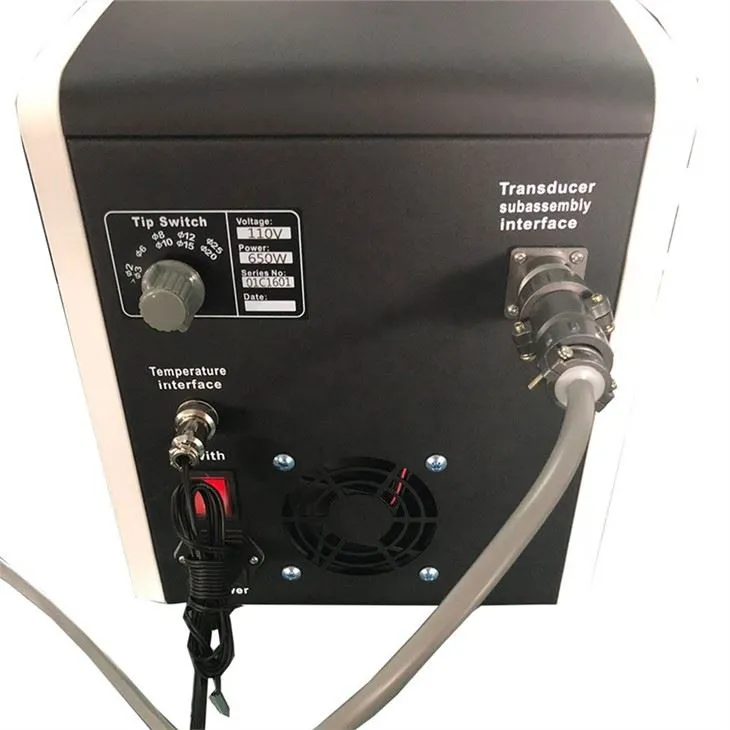
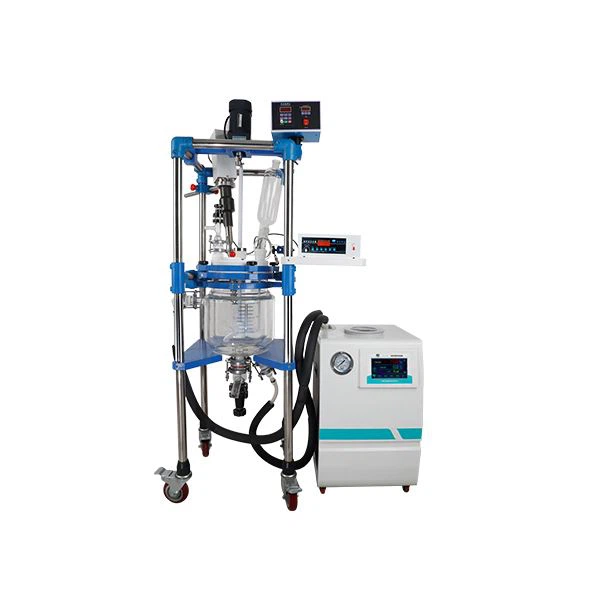
If you're interested in ultrasonic homogenizers, you can explore our Ultrasonic Homogenizer Sonicator Processor, which offers high-performance homogenization with adjustable throughput to meet your specific needs.
Pressure Homogenizers
Pressure homogenizers work by forcing the material through a small orifice at high pressure. The sudden pressure drop and the resulting shear and impact forces break down the particles. Pressure homogenizers are commonly used in the food, dairy, and pharmaceutical industries for large-scale production.
The throughput of pressure homogenizers can be quite high, especially for industrial models. These homogenizers can process thousands of liters per hour, making them suitable for continuous production lines. However, the throughput may be affected by the pressure settings and the viscosity of the material. Higher pressures generally result in better homogenization but may also reduce the throughput.
Microfluidizers
Microfluidizers are a type of high-pressure homogenizer that uses a unique microchannel design to create intense shear and impact forces. They are capable of achieving very high levels of particle size reduction and uniformity.
Microfluidizers typically have a moderate throughput, ranging from a few liters to several hundred liters per hour. Their design allows for precise control over the homogenization process, making them suitable for applications where a high degree of quality and consistency is required.
Importance of Throughput in Different Industries
The throughput of a homogenizer is of utmost importance in various industries.
Food and Beverage Industry
In the food and beverage industry, homogenizers are used to improve the texture, stability, and shelf life of products. High-throughput homogenizers are essential for large-scale production to meet the demand for products such as milk, yogurt, fruit juices, and sauces. A high throughput ensures that the production process is efficient and cost-effective, allowing manufacturers to produce large quantities of high-quality products in a short time.
Pharmaceutical Industry
The pharmaceutical industry requires strict quality control and precision in the production of drugs and medical products. Homogenizers are used to ensure the uniform distribution of active ingredients in formulations, such as tablets, capsules, and injectables. While the throughput requirements may not be as high as in the food industry, a consistent and reliable throughput is crucial to meet production schedules and maintain product quality.
Biotechnology Industry
In the biotechnology industry, homogenizers are used for cell disruption, protein extraction, and the preparation of biological samples. The throughput of homogenizers in this industry can vary depending on the scale of the operation. Laboratory-scale research may require low-throughput homogenizers, while large-scale bioprocessing facilities need high-throughput models to handle large volumes of cell cultures.
Cosmetics Industry
The cosmetics industry relies on homogenizers to create smooth, stable emulsions and suspensions in products such as creams, lotions, and makeup. High-throughput homogenizers are necessary for mass production to meet consumer demand. A high throughput also allows cosmetic manufacturers to introduce new products to the market quickly.
Choosing the Right Homogenizer Based on Throughput
When selecting a homogenizer, it's essential to consider your throughput requirements carefully. Here are some steps to help you make the right choice:
- Determine Your Production Volume: Calculate the amount of material you need to process per day, week, or month. This will give you an idea of the throughput capacity you require.
- Consider the Nature of Your Material: Take into account the viscosity, particle size, and composition of the material you'll be processing. This will help you choose a homogenizer that can handle your specific material effectively.
- Evaluate Your Quality Requirements: Determine the level of homogenization you need to achieve. If you require a high degree of particle size reduction and uniformity, you may need a homogenizer with a lower throughput but better homogenization capabilities.
- Compare Different Models: Research and compare different homogenizer models from various suppliers. Look at their specifications, throughput ratings, and customer reviews to find the best fit for your needs.
As a homogenizer supplier, we offer a wide range of homogenizers with different throughput capabilities to meet the diverse needs of our customers. Whether you're a small laboratory or a large industrial manufacturer, we can help you find the right homogenizer for your application.
Maximizing the Throughput of Your Homogenizer
Once you've chosen the right homogenizer, there are several ways to maximize its throughput:
- Optimize the Process Parameters: Adjust the pressure, temperature, and flow rate settings of the homogenizer to achieve the best balance between throughput and homogenization quality.
- Maintain the Homogenizer Properly: Regular maintenance, such as cleaning, lubrication, and replacement of worn parts, can ensure that the homogenizer operates at its peak performance and maintains a consistent throughput.
- Use the Right Accessories: Some homogenizers can be equipped with accessories, such as pre-treatment systems or inline mixers, to improve the efficiency of the homogenization process and increase the throughput.
Conclusion
The throughput of a homogenizer is a critical factor that determines its efficiency and suitability for different applications. By understanding the factors that influence throughput, choosing the right type of homogenizer, and maximizing its performance, you can ensure that your homogenization process is efficient, cost-effective, and produces high-quality products.
If you're in the market for a homogenizer and need help determining the right throughput for your application, or if you have any other questions about our homogenizers, please don't hesitate to contact us. We're here to assist you in finding the perfect solution for your homogenization needs.
In addition to our homogenizers, we also offer Ultrasonic Extraction Separator and The Graphene Ultrasonic Equipment for various extraction and processing applications. Contact us today to learn more about our products and start a procurement discussion.
References
- "Principles of Food Science and Technology" by P. F. Fox, P. L. H. McSweeney, T. M. Cogan, and P. O'Keeffe.
- "Pharmaceutical Dosage Forms: Tablets" by Herbert A. Lieberman, Leon Lachman, and Joseph B. Schwartz.
- "Bioprocess Engineering Principles" by Pauline M. Doran.
- "Cosmetic Science and Technology" by Jack B. McGinity.