

What is the heat generation situation of a homogenizer during operation?
Dec 02, 2025
Leave a message
Hey there! As a supplier of homogenizers, I often get asked about the heat generation situation of these machines during operation. It's a crucial topic, especially for those who are using homogenizers in various industries like food, pharmaceuticals, and biotechnology. So, let's dive right in and explore this issue.
First off, what exactly is a homogenizer? Well, it's a device that breaks down particles or droplets in a sample to create a uniform mixture. There are different types of homogenizers, such as mechanical, ultrasonic, and pressure homogenizers. Each type has its own way of working and, of course, its own heat - generation characteristics.
Heat Generation in Mechanical Homogenizers
Mechanical homogenizers work by using rotating blades or paddles to break up the sample. During this process, a significant amount of heat can be generated. The friction between the moving parts and the sample is the main culprit. When the blades spin at high speeds, they rub against the liquid or solid material, converting mechanical energy into heat energy.
The heat generation in mechanical homogenizers can be a double - edged sword. On one hand, in some applications, a little bit of heat might not be a big deal. For example, in certain food processing operations where the product needs to be pasteurized anyway, the heat generated during homogenization can contribute to the overall pasteurization process. On the other hand, in applications where heat - sensitive materials are involved, like some biological samples or certain pharmaceutical compounds, excessive heat can damage the sample.
To deal with the heat issue in mechanical homogenizers, manufacturers often design cooling systems. These can be as simple as a water - jacketed chamber around the homogenizing area. The water helps to absorb the heat and keep the temperature of the sample within an acceptable range. However, even with cooling systems, it's still important to monitor the temperature closely, especially when working with heat - sensitive samples.
Heat Generation in Ultrasonic Homogenizers
Now, let's talk about ultrasonic homogenizers. These machines use high - frequency sound waves to create cavitation in the sample. Cavitation is the formation and collapse of tiny bubbles in the liquid. When these bubbles collapse, they generate intense local heat and pressure, which break up the particles in the sample.
The heat generation in ultrasonic homogenizers is quite different from mechanical ones. The heat is mainly generated due to the energy released during the cavitation process. The collapse of the bubbles releases a large amount of energy in a very small area, which can cause a rapid increase in temperature.
One of the advantages of ultrasonic homogenizers is that the heat is generated in a more localized manner compared to mechanical homogenizers. However, if the ultrasonic power is too high or the operation time is too long, the overall temperature of the sample can still rise significantly.
For example, our Ultrasonic Homogenizer Sonicator 0.5 - 600ml is a popular choice for many laboratories. It's designed to be efficient in homogenizing small to medium - sized samples. But when using it, it's important to set the appropriate power and time parameters to control the heat generation. If you're working with a heat - sensitive sample, you might want to use short bursts of ultrasonic energy with breaks in between to allow the sample to cool down.
Another type of ultrasonic homogenizer we offer is the Ultrasonic Homogenizer Food. In the food industry, heat can sometimes be beneficial as it can help with emulsification and other processes. But again, we need to make sure that the temperature doesn't get too high to affect the quality of the food product.
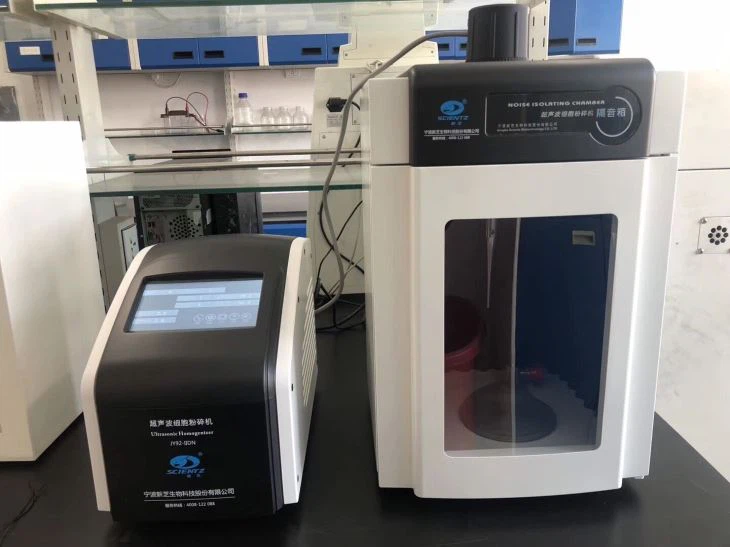
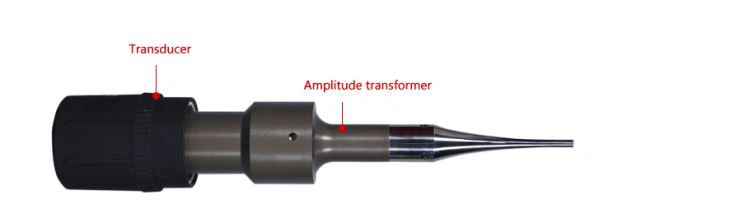
Our JY96 - IIN Ultrasonic Homogenizer is a high - performance machine. It has advanced features to help control the heat generation. For instance, it has a built - in temperature sensor that can monitor the temperature of the sample in real - time. If the temperature starts to rise above a set limit, the machine can automatically adjust the ultrasonic power or stop the operation briefly to let the sample cool down.
Heat Generation in Pressure Homogenizers
Pressure homogenizers work by forcing the sample through a small orifice at high pressure. When the sample passes through the orifice, the sudden change in pressure causes the particles to break up. The heat generation in pressure homogenizers is mainly due to the energy loss as the sample is forced through the orifice.
Similar to mechanical and ultrasonic homogenizers, the heat generated in pressure homogenizers can also be a problem in some applications. The pressure drop across the orifice creates a lot of turbulence, which in turn generates heat. In applications where precise temperature control is required, like in the production of some high - end cosmetics or certain medical products, the heat issue needs to be carefully managed.
Manufacturers of pressure homogenizers often use heat exchangers to control the temperature. These heat exchangers can be integrated into the homogenizer system to remove the excess heat. Just like with other types of homogenizers, continuous temperature monitoring is essential to ensure the quality of the final product.
Controlling Heat Generation for Better Results
No matter which type of homogenizer you're using, controlling heat generation is crucial for getting the best results. Here are some general tips:
- Choose the Right Homogenizer for the Job: If you're working with heat - sensitive materials, an ultrasonic homogenizer with good temperature control features might be a better choice than a mechanical one. On the other hand, if heat is not a major concern and you need to process large volumes quickly, a mechanical or pressure homogenizer could be more suitable.
- Set the Right Parameters: For all types of homogenizers, setting the right power, time, and pressure parameters is essential. For example, in an ultrasonic homogenizer, using lower power and shorter operation times with breaks in between can help reduce heat generation.
- Use Cooling Systems: As mentioned earlier, cooling systems like water jackets or heat exchangers can be very effective in controlling the temperature. Make sure these systems are working properly before starting the homogenization process.
- Monitor the Temperature: Invest in a good temperature monitoring device. This will allow you to keep track of the temperature of the sample during homogenization and make adjustments as needed.
Conclusion
In conclusion, the heat generation situation of a homogenizer during operation depends on the type of homogenizer and the specific application. Understanding how heat is generated in different types of homogenizers is the first step in managing it effectively. Whether you're in the food industry, biotechnology, or any other field that uses homogenizers, being able to control the heat can help you produce high - quality products.
If you're in the market for a homogenizer and want to learn more about how we can help you with heat management, feel free to reach out to us. We're here to assist you in finding the right homogenizer for your specific needs and ensuring that you get the best performance out of it.
References
- "Principles of Food Science" by Louis A. Roller and Peter K. Fryer
- "Biochemical Engineering Fundamentals" by James E. Bailey and David F. Ollis
- "Ultrasonics in Food Processing" by Peter J. Mason and Lesley M. Peters