

What are the safety precautions when using sonicators?
Dec 26, 2025
Leave a message
Hey there! As a supplier of sonicators, I've seen firsthand how these nifty devices can be a game - changer in various scientific and industrial applications. But like any powerful tool, sonicators come with their own set of safety risks. So, let's chat about the safety precautions you should take when using sonicators.
Protective Gear is a Must
First off, you gotta suit up! Wearing the right protective gear is non - negotiable. Safety goggles are a must - have. Sonicators generate high - frequency vibrations that can cause liquid samples to splash. Those splashes might contain chemicals or biological agents that can harm your eyes. A simple pair of safety goggles can prevent a world of pain and potential long - term damage.
Gloves are another essential piece of gear. Depending on the nature of the samples you're working with, you might need different types of gloves. For chemical samples, nitrile gloves are a great choice as they offer good resistance to a wide range of chemicals. If you're dealing with biological samples, make sure the gloves are sterile to avoid contamination.
Lab coats are also important. They protect your clothes from spills and splashes and can act as a barrier against any potential hazards. And don't forget about closed - toe shoes. You never know when something might drop, and having your feet covered can prevent serious injuries.
Proper Installation and Setup
Getting the installation and setup right is crucial for safe operation. When you first get your sonicator, carefully read the user manual. It's there for a reason! Make sure the sonicator is placed on a stable and level surface. An uneven surface can cause the device to vibrate more than normal, which not only affects its performance but can also be a safety hazard.
Check the power supply. Make sure the voltage and frequency match the requirements of the sonicator. Using an incompatible power supply can damage the device and even pose a risk of electrical shock. Also, ensure that the power cord is in good condition, without any frayed wires or exposed conductors.
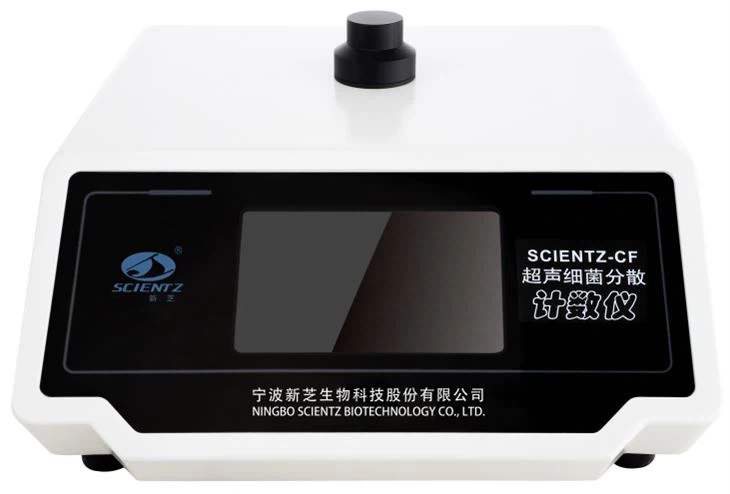
If your sonicator has a cooling system, make sure it's properly connected and functioning. Overheating can not only damage the sonicator but also increase the risk of fire. Some of our popular models, like the SCIENTZ - CF Ultrasonic Bacteria Dispersion Counter, have advanced cooling mechanisms that need to be set up correctly for optimal and safe operation.
Sample Handling
How you handle your samples can greatly impact safety. First, make sure the sample container is suitable for use with the sonicator. It should be made of a material that can withstand the high - frequency vibrations. Glass containers are commonly used, but make sure they are thick - walled and free of cracks or chips. A cracked container can shatter during sonication, sending sharp pieces flying.
Don't overfill the sample container. Leave enough space at the top to prevent the liquid from overflowing when it starts to vibrate. Also, be careful when placing the probe or horn of the sonicator into the sample. Make sure it's fully immersed but not touching the bottom or sides of the container, as this can cause damage to both the probe and the container.
When you're done with the sonication, let the sample cool down before handling it. The high - frequency vibrations can generate heat, and hot samples can cause burns.
Noise Protection
Sonicators can be quite noisy. Prolonged exposure to high - level noise can cause hearing loss. That's why it's important to wear ear protection. Earplugs or earmuffs are both good options. You can choose the one that's most comfortable for you.
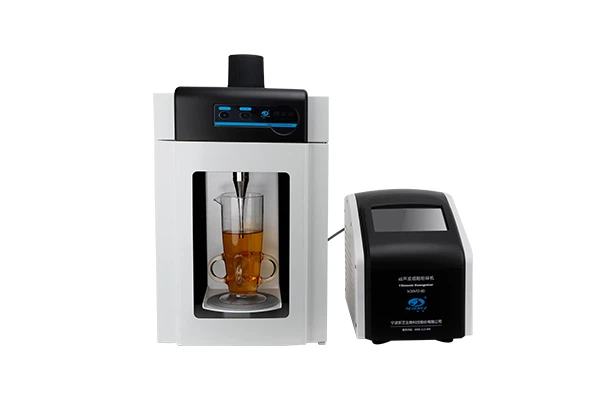
If possible, set up the sonicator in a sound - insulated enclosure. This not only protects you from the noise but also reduces the noise level in the surrounding area. Some of our models, like the Scientz - IID 7 Inch TFT Touch Screen 20 - 25KHZ Automatic Tracking Ultrasonic Homogenizer Sonicator, are designed to operate with relatively low noise levels, but it's still a good idea to take extra precautions.
Maintenance and Inspection
Regular maintenance and inspection are key to keeping your sonicator safe. Check the probe or horn regularly for signs of wear and tear. A damaged probe can affect the performance of the sonicator and may even break off during operation, posing a safety risk.
Clean the sonicator after each use. Follow the cleaning instructions in the user manual. This helps prevent the buildup of contaminants, which can not only affect the performance of the device but also pose a health risk.
Inspect the cables and connectors regularly. Make sure they are secure and free of damage. Loose connections can cause electrical problems, and damaged cables can be a fire hazard.
Emergency Preparedness
Even if you take all the necessary precautions, accidents can still happen. That's why it's important to be prepared for emergencies. Know the location of the emergency stop button on the sonicator. In case of an emergency, you can quickly stop the device.
Have a first - aid kit nearby. In case of minor injuries like cuts or burns, you can provide immediate first - aid. Also, make sure you know the emergency procedures in your lab or workplace. This might include procedures for dealing with chemical spills, fires, or electrical shocks.
Training and Supervision
Proper training is essential for anyone using a sonicator. Make sure all users are trained on the safe operation of the device. This includes understanding the safety precautions, how to use the controls, and what to do in case of an emergency.
If you're new to using sonicators, it's a good idea to have someone with experience supervise your first few uses. They can provide guidance and help you avoid making mistakes.
Conclusion
Using sonicators can be a lot of fun and very rewarding, but safety should always be your top priority. By following these safety precautions, you can ensure that you and your colleagues stay safe while using these powerful devices.
If you're in the market for a high - quality sonicator, we've got a great range of products to choose from. Our JY98 - IIIDN Ultrasonic Homogenizer is a popular choice among our customers, offering excellent performance and reliability.
If you have any questions about our sonicators or need more information on safety precautions, feel free to reach out. We're here to help you make the right choice for your needs. Let's start a conversation about your procurement requirements and see how we can work together to get you the best sonicator for your application.
References
- Manufacturer's user manuals for sonicators
- OSHA guidelines for laboratory safety
- Industry best practices for sonicator use