

What are the packaging options for flake ice?
Dec 25, 2025
Leave a message
As a flake ice supplier, I've had the privilege of witnessing the diverse applications and packaging needs of flake ice across various industries. Flake ice, with its unique characteristics, is a popular choice for a wide range of sectors, including supermarkets, fisheries, and meat processing. In this blog, I'll explore the different packaging options available for flake ice and their suitability for various applications.
Understanding the Importance of Packaging for Flake Ice
Before delving into the packaging options, it's crucial to understand why proper packaging is essential for flake ice. Flake ice is highly perishable and can quickly melt if not stored and transported correctly. Effective packaging helps to maintain the ice's temperature, prevent melting, and protect it from contamination. Additionally, well-designed packaging can enhance the handling and distribution of flake ice, making it more convenient for end-users.
Bulk Packaging Options
Plastic Bags
Plastic bags are one of the most common packaging options for flake ice. They are cost-effective, lightweight, and easy to handle. Plastic bags come in various sizes and thicknesses, allowing for flexibility in packaging different quantities of flake ice. They are also transparent, which makes it easy to see the ice inside and check its quality.
One of the advantages of plastic bags is that they can be sealed tightly, which helps to prevent the ice from melting and keeps it fresh for longer. However, plastic bags are not very durable and can easily tear or puncture, especially if the ice is sharp or has rough edges. To overcome this issue, some suppliers use thicker plastic bags or reinforce the bags with additional layers.
Plastic Containers
Plastic containers are another popular option for bulk packaging of flake ice. They are more durable than plastic bags and can withstand rough handling during transportation. Plastic containers come in different shapes and sizes, including rectangular, square, and round. They also have tight-fitting lids, which help to keep the ice cold and prevent it from melting.
One of the benefits of plastic containers is that they can be reused multiple times, which makes them more environmentally friendly than single-use plastic bags. However, plastic containers are heavier and more expensive than plastic bags, which can increase the cost of transportation and storage.
Ice Tubs
Ice tubs are large, insulated containers that are specifically designed for storing and transporting flake ice. They are made of high-quality materials, such as polyethylene or polyurethane, which provide excellent insulation and help to keep the ice cold for extended periods. Ice tubs come in various sizes, ranging from small portable tubs to large industrial-sized tubs.
One of the advantages of ice tubs is that they can hold a large quantity of flake ice, which makes them ideal for commercial applications. They are also easy to clean and maintain, which helps to ensure the hygiene of the ice. However, ice tubs are relatively expensive and can be bulky, which can make them difficult to transport and store.
Retail Packaging Options
Pre-Packaged Bags
Pre-packaged bags are a convenient option for retail customers who want to purchase small quantities of flake ice. These bags are typically available in standard sizes, such as 5 pounds or 10 pounds, and are pre-sealed to ensure freshness. Pre-packaged bags are often sold in supermarkets, convenience stores, and ice vending machines.
One of the benefits of pre-packaged bags is that they are easy to handle and transport. They are also labeled with important information, such as the weight, expiration date, and storage instructions, which helps customers make informed decisions. However, pre-packaged bags are more expensive than bulk packaging options, as they include the cost of packaging and labeling.
Ice Cubes in Containers
Some retailers offer flake ice in the form of ice cubes in containers. These containers are typically made of plastic or glass and come in various sizes and shapes. Ice cubes in containers are a popular option for customers who want to use flake ice for specific applications, such as cooling drinks or making cocktails.
One of the advantages of ice cubes in containers is that they are easy to measure and use. They are also more convenient than loose flake ice, as they can be easily stored in the freezer and taken out as needed. However, ice cubes in containers are more expensive than loose flake ice, as they require additional processing and packaging.
Specialized Packaging Options
Insulated Shipping Containers
For long-distance transportation of flake ice, insulated shipping containers are often used. These containers are designed to provide maximum insulation and keep the ice cold for extended periods. They are typically made of high-quality materials, such as foam or fiberglass, and are lined with a reflective material to reduce heat transfer.
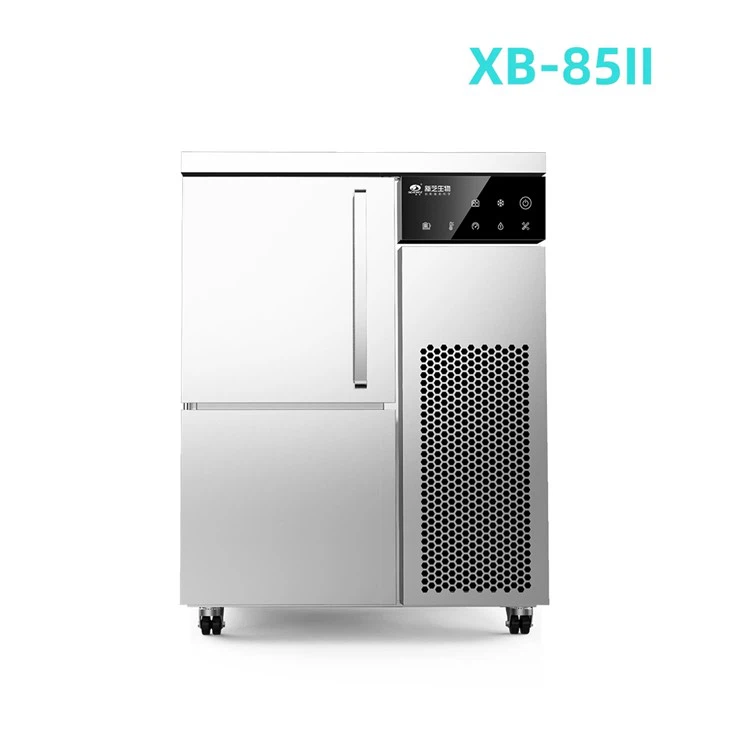
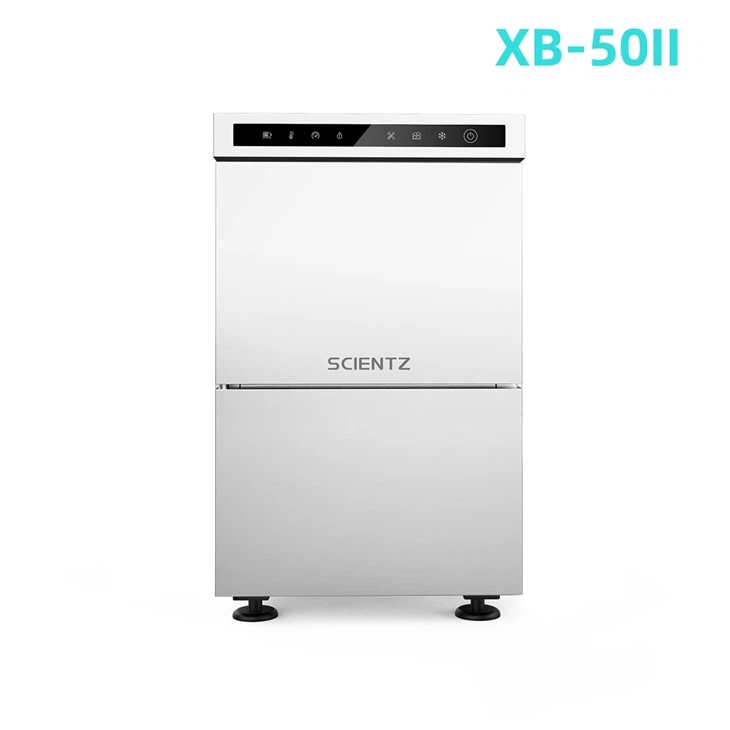
Insulated shipping containers come in various sizes and configurations, including standard shipping containers and custom-designed containers. They are also equipped with temperature monitoring devices, which allow suppliers to track the temperature of the ice during transportation and ensure that it remains within the desired range.
Dry Ice Packaging
In some cases, dry ice may be used in conjunction with flake ice to provide additional cooling and extend the shelf life of the ice. Dry ice is a solid form of carbon dioxide that sublimates at a very low temperature, which helps to keep the ice cold and prevent it from melting.
Dry ice packaging typically involves placing the flake ice in a container and surrounding it with dry ice. The container is then sealed tightly to prevent the escape of carbon dioxide gas. Dry ice packaging is commonly used for shipping flake ice to remote locations or for applications where a longer shelf life is required.
Choosing the Right Packaging Option
When choosing a packaging option for flake ice, several factors need to be considered, including the quantity of ice, the intended use, the transportation distance, and the storage conditions. Here are some tips to help you choose the right packaging option:
- Quantity of Ice: If you need to package a large quantity of flake ice, bulk packaging options, such as plastic bags, plastic containers, or ice tubs, may be more suitable. For small quantities of ice, pre-packaged bags or ice cubes in containers may be a better choice.
- Intended Use: Consider the intended use of the flake ice when choosing a packaging option. If the ice will be used for commercial applications, such as in supermarkets, fisheries, or meat processing, bulk packaging options may be more practical. For retail customers, pre-packaged bags or ice cubes in containers may be more convenient.
- Transportation Distance: If the flake ice needs to be transported over a long distance, insulated shipping containers or dry ice packaging may be necessary to ensure that the ice remains cold and fresh. For short-distance transportation, plastic bags or plastic containers may be sufficient.
- Storage Conditions: The storage conditions of the flake ice also play a role in choosing the right packaging option. If the ice will be stored in a freezer, any of the packaging options mentioned above can be used. However, if the ice will be stored at room temperature, insulated packaging options, such as ice tubs or insulated shipping containers, may be required to prevent the ice from melting.
Conclusion
In conclusion, there are several packaging options available for flake ice, each with its own advantages and disadvantages. The choice of packaging option depends on various factors, including the quantity of ice, the intended use, the transportation distance, and the storage conditions. As a flake ice supplier, it's important to understand the different packaging options and choose the one that best meets the needs of your customers.
If you're interested in purchasing flake ice or learning more about our packaging options, please feel free to contact us. We'd be happy to discuss your requirements and provide you with a customized solution.