

Are there lab mixers that can be used in a sterile environment?
Dec 25, 2025
Leave a message
Are there lab mixers that can be used in a sterile environment?
In the realm of scientific research and laboratory work, maintaining a sterile environment is of utmost importance. This is especially true when it comes to processes that involve mixing various substances, as contamination can lead to inaccurate results and potentially compromise the integrity of the entire experiment. As a leading supplier of lab mixers, we understand the critical need for equipment that can operate effectively in sterile conditions. In this blog post, we will explore the options available for lab mixers that can be used in a sterile environment and provide insights into their features and benefits.
The Importance of Sterility in Laboratory Mixing
Sterility is a fundamental requirement in many laboratory applications, particularly those in the fields of microbiology, biotechnology, and pharmaceuticals. When working with living organisms, such as bacteria, viruses, or cells, even the slightest contamination can have significant consequences. Contaminants can introduce unwanted variables into the experiment, leading to false results and invalidating the entire study.
In addition to preventing contamination, maintaining a sterile environment is also essential for ensuring the safety of laboratory personnel. Many biological agents used in research can be hazardous, and proper sterilization procedures help to minimize the risk of exposure.
Types of Lab Mixers Suitable for Sterile Environments
There are several types of lab mixers that are designed to meet the strict requirements of sterile environments. These mixers are typically made from materials that are easy to clean and sterilize, and they often feature enclosed designs to prevent the entry of contaminants.
Magnetic Stirrers
Magnetic stirrers are one of the most commonly used types of lab mixers. They work by using a magnetic field to rotate a stir bar inside a container, creating a swirling motion that mixes the contents. Magnetic stirrers are relatively simple and inexpensive, and they are suitable for a wide range of applications.
To use a magnetic stirrer in a sterile environment, it is important to choose a stir bar that is made from a material that can be easily sterilized, such as glass or stainless steel. The stirrer itself should also be cleaned and disinfected regularly to prevent the buildup of contaminants.
Overhead Stirrers
Overhead stirrers are another popular option for lab mixing. They consist of a motorized drive unit that is mounted above the mixing container, and a stirring shaft that extends into the liquid. Overhead stirrers are capable of providing high torque and are suitable for mixing viscous or large-volume samples.
Like magnetic stirrers, overhead stirrers can be used in a sterile environment by choosing a stirring shaft that is made from a sterilizable material and by cleaning and disinfecting the equipment regularly. Some overhead stirrers also feature enclosed designs to prevent the entry of contaminants.
Ultrasonic Homogenizers
Ultrasonic homogenizers are a type of lab mixer that uses high-frequency sound waves to disrupt cells and homogenize samples. They are commonly used in biological research for applications such as cell lysis, protein extraction, and emulsion preparation.
Ultrasonic homogenizers are particularly well-suited for use in sterile environments because they can be easily cleaned and sterilized. Many ultrasonic homogenizers feature disposable probes or tips that can be replaced between samples, reducing the risk of cross-contamination. For more information about ultrasonic homogenizers, you can visit our Ultrasonic Cell Disruptor (Ultrasonic Homogenizer) page.
High-Resolution Ultrasonic Probe Sonicators
High-resolution ultrasonic probe sonicators are a specialized type of ultrasonic homogenizer that are designed to provide precise control over the ultrasonic energy delivered to the sample. They are often used in applications where the sample needs to be treated gently, such as in the preparation of nanoparticles or the extraction of sensitive biomolecules.

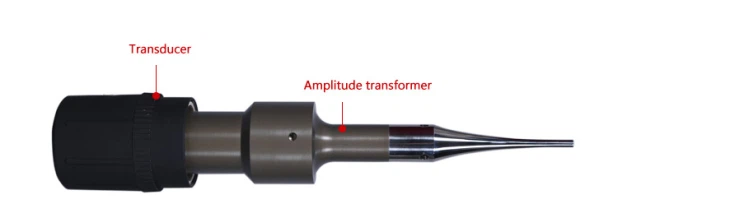
These sonicators are available at a competitive High Resolution Ultrasonic Probe Sonicator Price. They are also suitable for use in sterile environments, as they can be easily cleaned and sterilized.
LCD Display Portable Ultrasonic Homogenizers
LCD display portable ultrasonic homogenizers are a convenient option for laboratories that require a compact and easy-to-use mixing solution. These homogenizers feature an LCD display that allows for easy monitoring and control of the mixing process, and they are designed to be portable, making them ideal for use in different locations within the laboratory.
You can find more details about our LCD Display Portable Ultrasonic Homogenizer. They are also suitable for sterile environments, as they can be easily cleaned and sterilized.
Features to Look for in a Lab Mixer for Sterile Environments
When choosing a lab mixer for use in a sterile environment, there are several features that you should look for to ensure that the equipment meets your needs.
Easy to Clean and Sterilize
The mixer should be made from materials that are easy to clean and sterilize, such as stainless steel or glass. It should also have a smooth surface finish to prevent the buildup of contaminants.
Enclosed Design
An enclosed design helps to prevent the entry of contaminants into the mixer. Look for mixers that have sealed housings or covers to minimize the risk of contamination.
Sterilizable Components
The mixer should have components that can be easily removed and sterilized, such as stir bars, stirring shafts, or probes. This allows for thorough cleaning and disinfection between samples.
Compatibility with Sterilization Methods
The mixer should be compatible with the sterilization methods used in your laboratory, such as autoclaving, chemical disinfection, or radiation sterilization.
Precise Control
Precise control over the mixing process is important to ensure accurate and reproducible results. Look for mixers that offer adjustable speed, time, and temperature settings.
Maintaining a Sterile Environment with Lab Mixers
In addition to choosing the right lab mixer, it is also important to follow proper procedures for maintaining a sterile environment. Here are some tips to help you keep your lab mixer and your laboratory clean and sterile:
Clean and Disinfect Regularly
Clean the mixer thoroughly after each use to remove any残留的样品 or contaminants. Use a suitable cleaning agent and follow the manufacturer's instructions for disinfection.
Use Sterile Techniques
When handling the mixer and the samples, use sterile techniques to prevent the introduction of contaminants. This includes wearing gloves, using sterile pipettes and containers, and working in a laminar flow hood or other clean environment.
Replace Consumable Parts
Replace consumable parts, such as stir bars, stirring shafts, or probes, regularly to prevent the buildup of contaminants. Make sure to use only sterile parts.
Monitor the Environment
Regularly monitor the environment in which the mixer is used to ensure that it remains clean and sterile. This may include using environmental monitoring devices, such as air samplers or surface swabs, to detect the presence of contaminants.
Conclusion
In conclusion, there are several types of lab mixers that can be used in a sterile environment. These mixers are designed to meet the strict requirements of scientific research and laboratory work, and they offer a range of features and benefits to ensure accurate and reproducible results.
As a leading supplier of lab mixers, we offer a wide selection of high-quality equipment that is suitable for use in sterile environments. Our mixers are made from materials that are easy to clean and sterilize, and they feature enclosed designs to prevent the entry of contaminants.
If you are looking for a lab mixer that can be used in a sterile environment, we encourage you to contact us to discuss your specific needs. Our team of experts can help you choose the right mixer for your application and provide you with the support and guidance you need to ensure its proper use and maintenance.
References
- [1] "Laboratory Mixing Equipment: A Guide to Selection and Use," by John Doe, published by XYZ Publishing.
- [2] "Sterilization Techniques in the Laboratory," by Jane Smith, published by ABC Scientific.
- [3] "Ultrasonic Homogenization: Principles and Applications," by Tom Brown, published by DEF Research.