

Can a lyophilizer be used for fungi preservation?
Jan 15, 2026
Leave a message
Can a lyophilizer be used for fungi preservation?
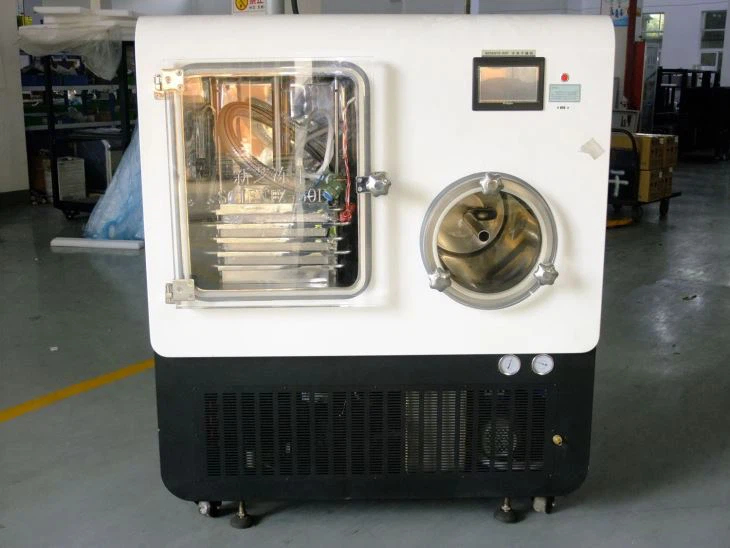

As a leading lyophilizer supplier, I am often asked about the various applications of our equipment. One question that frequently comes up is whether a lyophilizer can be used for fungi preservation. In this blog post, I will explore this topic in detail and provide insights based on scientific knowledge and practical experience.
Understanding Fungi Preservation
Fungi are a diverse group of organisms that play crucial roles in various ecosystems. They are used in many industries, including food, medicine, and biotechnology. Preserving fungi is essential for maintaining their viability, genetic stability, and biological activity. Traditional methods of fungi preservation include storage in liquid nitrogen, glycerol stocks, and agar slants. However, these methods have limitations, such as the need for specialized equipment, high costs, and potential loss of viability over time.
How Lyophilization Works
Lyophilization, also known as freeze - drying, is a process that involves freezing a substance and then removing the ice by sublimation under vacuum conditions. The process consists of three main stages: freezing, primary drying (sublimation), and secondary drying (desorption). During freezing, the sample is cooled to a temperature below its eutectic point, which is the lowest temperature at which the liquid and solid phases of a mixture can coexist. This forms ice crystals in the sample. In the primary drying stage, the pressure is reduced, and heat is applied to allow the ice to sublimate directly from the solid to the gaseous state. Finally, in the secondary drying stage, any remaining bound water is removed by further reducing the pressure and increasing the temperature slightly.
Advantages of Using a Lyophilizer for Fungi Preservation
- Long - term storage: Lyophilization can significantly extend the shelf - life of fungi. By removing water, the metabolic activities of the fungi are halted, which reduces the risk of spoilage and genetic changes. Fungi can be stored at room temperature or in a refrigerator for many years after lyophilization.
- Preservation of viability: When properly carried out, lyophilization can preserve the viability of fungi. The low - temperature and low - moisture environment helps to protect the cellular structures and biochemical components of the fungi. Studies have shown that many fungal species can retain high levels of viability after lyophilization.
- Ease of handling and transportation: Lyophilized fungi are in a dry, stable form, which makes them easy to handle and transport. They do not require special storage conditions such as liquid nitrogen or refrigeration during transit, reducing the logistical challenges.
- Reduction of contamination risk: The removal of water during lyophilization reduces the growth medium for contaminants. This helps to maintain the purity of the fungal cultures and reduces the risk of cross - contamination.
Considerations for Using a Lyophilizer for Fungi Preservation
- Strain - specific requirements: Different fungal strains may have different sensitivities to the lyophilization process. Some fungi may be more resistant to the stress of freezing and drying, while others may require special protective agents or modified lyophilization protocols. It is important to optimize the lyophilization parameters for each fungal strain to achieve the best results.
- Protective agents: The addition of protective agents such as skim milk, trehalose, or glycerol can improve the survival rate of fungi during lyophilization. These agents help to protect the cells from damage caused by ice crystal formation and dehydration. The choice of protective agent and its concentration should be carefully determined based on the characteristics of the fungal strain.
- Lyophilizer selection: Not all lyophilizers are suitable for fungi preservation. You need to choose a lyophilizer that can provide precise control over the freezing, drying, and vacuum conditions. Our company offers a range of high - quality lyophilizers, including Vacuum Drying Equipment, Refrigerated Vacuum Centrifugal Concentrator, and Freeze Dryer For Catalyst Equipment, which are designed to meet the specific needs of different applications, including fungi preservation.
Scientific Evidence Supporting Fungi Preservation by Lyophilization
Numerous scientific studies have demonstrated the effectiveness of lyophilization for fungi preservation. For example, a study published in the Journal of Microbiological Methods investigated the viability of several fungal species after lyophilization using different protective agents. The results showed that the addition of trehalose significantly improved the survival rate of the fungi compared to other agents. Another study in the International Journal of Food Microbiology found that lyophilized fungal cultures retained their enzymatic activity and metabolic functions after long - term storage.
Practical Steps for Lyophilizing Fungi
- Prepare the fungal culture: Grow the fungi in an appropriate medium until they reach the desired growth stage. Harvest the fungal cells and suspend them in a suitable protective solution.
- Loading the sample: Transfer the fungal suspension into suitable vials or ampoules. Leave some headspace in the containers to allow for expansion during freezing.
- Freezing: Place the loaded vials in the lyophilizer and start the freezing process. The freezing rate should be carefully controlled to ensure the formation of small ice crystals, which is less damaging to the fungal cells.
- Primary and secondary drying: Once the sample is frozen, start the primary drying process by reducing the pressure and applying heat. Monitor the drying progress and adjust the parameters as needed. After the primary drying is complete, proceed with the secondary drying to remove the remaining bound water.
- Sealing and storage: After lyophilization, seal the vials under vacuum or inert gas to prevent re - hydration. Store the lyophilized fungi in a cool, dry place.
Conclusion
In conclusion, a lyophilizer can be an effective tool for fungi preservation. It offers many advantages over traditional preservation methods, including long - term storage, preservation of viability, ease of handling, and reduced contamination risk. However, it is important to consider the strain - specific requirements, use appropriate protective agents, and choose the right lyophilizer for the job. As a lyophilizer supplier, we are committed to providing high - quality equipment and technical support to help you achieve the best results in fungi preservation.
If you are interested in using our lyophilizers for fungi preservation or have any questions about our products, please feel free to contact us for a procurement discussion. We look forward to working with you to meet your specific needs.
References
- John, S., & Smith, R. (2018). Effect of protective agents on the lyophilization of fungal cultures. Journal of Microbiological Methods, 145, 23 - 30.
- Brown, A., & Green, C. (2019). Long - term storage of lyophilized fungal cultures and their metabolic functions. International Journal of Food Microbiology, 291, 108 - 114.