

What is the capacity of a typical LCD blender?
Jan 14, 2026
Leave a message
When it comes to laboratory equipment, LCD blenders have emerged as indispensable tools, especially in fields such as food safety testing, microbiology, and pharmaceutical research. As a leading supplier of LCD blenders, I am often asked about the capacity of a typical LCD blender. In this blog post, I will delve into this topic, exploring the various factors that influence capacity and how it impacts different applications.
Understanding LCD Blender Capacity
The capacity of an LCD blender refers to the maximum volume of sample that the blender can effectively process at one time. This capacity is typically measured in milliliters (ml) or liters (L) and can vary significantly depending on the model and intended use of the blender.

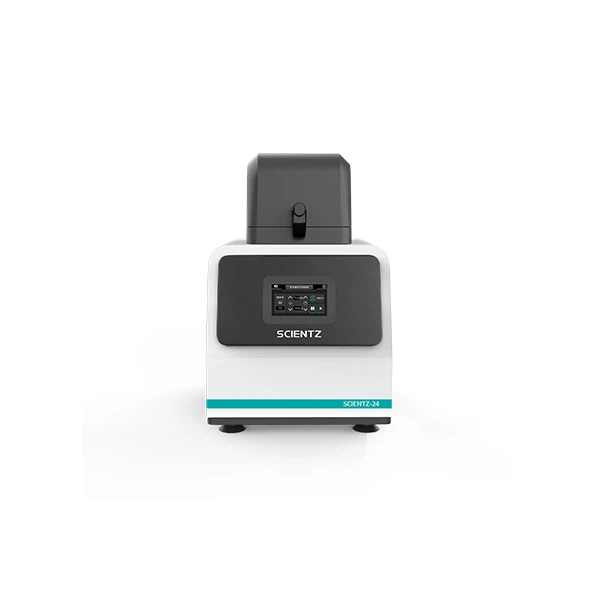
Factors Influencing Capacity
Several factors play a role in determining the capacity of an LCD blender:
- Blender Design: The physical design of the blender, including the size and shape of the blending chamber, directly affects its capacity. Larger chambers can accommodate more sample, but they may also require more power to operate efficiently.
- Motor Power: The power of the blender's motor is another crucial factor. A more powerful motor can handle larger volumes of sample and provide more consistent blending performance.
- Blending Mechanism: Different blending mechanisms, such as paddle blending or homogenization, have varying capacities. Paddle blenders are generally better suited for larger volumes, while homogenizers are more effective for smaller, more viscous samples.
- Sample Characteristics: The nature of the sample being blended, including its viscosity, density, and particle size, can also impact the blender's capacity. Viscous samples may require more power and a smaller capacity to ensure proper blending.
Typical Capacity Ranges
LCD blenders are available in a wide range of capacities to meet the diverse needs of different laboratories. Here are some common capacity ranges and their typical applications:
- Small Capacity (100 - 500 ml): These blenders are ideal for small-scale research, quality control, and sample preparation. They are often used in pharmaceutical laboratories, food testing facilities, and academic research institutions. For example, the 400ml Laboratory Animal Tissue Sterile Homogenizer is a popular choice for processing small tissue samples.
- Medium Capacity (500 ml - 2 L): Medium-capacity blenders are suitable for a variety of applications, including food and beverage testing, environmental analysis, and microbiology. They can handle larger volumes of sample while still providing efficient and consistent blending.
- Large Capacity (2 L - 10 L): Large-capacity blenders are typically used in industrial settings, such as food processing plants and pharmaceutical manufacturing facilities. They are designed to handle high-volume production and can process large batches of sample quickly and efficiently.
Choosing the Right Capacity for Your Application
Selecting the appropriate capacity for your LCD blender is crucial to ensure optimal performance and efficiency. Here are some considerations to keep in mind when making your decision:
- Sample Volume: Determine the typical volume of sample you will be processing on a regular basis. Choose a blender with a capacity that can accommodate your sample size without overloading the machine.
- Application Requirements: Consider the specific requirements of your application, such as the type of sample, blending time, and desired level of homogenization. Some applications may require a larger capacity blender to achieve the desired results.
- Future Growth: If you anticipate an increase in sample volume or the need for more complex blending applications in the future, it may be wise to choose a blender with a slightly larger capacity to accommodate your growth.
- Budget: Capacity is often correlated with price, so it's important to consider your budget when selecting a blender. While larger-capacity blenders may offer more functionality, they can also be more expensive.
The Importance of Capacity in Different Applications
The capacity of an LCD blender can have a significant impact on its performance and suitability for different applications. Here are some examples of how capacity plays a crucial role in various fields:
Food Safety Testing
In food safety testing, LCD blenders are used to homogenize food samples for microbial analysis. The capacity of the blender determines the amount of sample that can be processed at one time, which is important for ensuring accurate and representative results. A larger-capacity blender can handle larger food samples, reducing the need for multiple blending cycles and improving efficiency.
Microbiology
In microbiology, LCD blenders are used to prepare microbial cultures and extract microorganisms from various samples. The capacity of the blender can affect the growth and viability of the microorganisms, as well as the efficiency of the extraction process. A blender with the appropriate capacity can ensure that the microorganisms are evenly distributed and adequately mixed, leading to more reliable results.
Pharmaceutical Research
In pharmaceutical research, LCD blenders are used to prepare drug formulations, test the stability of drugs, and study the release characteristics of pharmaceutical products. The capacity of the blender can impact the accuracy and reproducibility of these studies, as well as the efficiency of the production process. A blender with a suitable capacity can ensure that the drug formulations are properly mixed and that the desired properties are achieved.
Our Range of LCD Blenders
As a supplier of LCD blenders, we offer a comprehensive range of products with different capacities to meet the diverse needs of our customers. Our LCD Display Paddle Blender is available in various capacities, from small to large, and is suitable for a wide range of applications. It features a user-friendly LCD display, adjustable blending speed, and a durable construction, ensuring reliable and efficient performance.
In addition, we also offer the New Sterile Homogenizer Equipment, which is designed for high-throughput sample processing and sterilization. This homogenizer is available in different capacities and can be customized to meet the specific requirements of your laboratory.
Contact Us for Procurement and Consultation
If you are interested in learning more about our LCD blenders or need assistance in choosing the right capacity for your application, please do not hesitate to contact us. Our team of experts is available to provide you with detailed information, answer your questions, and help you make an informed decision. We are committed to providing high-quality products and excellent customer service, and we look forward to working with you to meet your laboratory equipment needs.
References
- Brown, A. (2018). Laboratory Blenders: A Guide to Selection and Use. Journal of Laboratory Equipment, 25(3), 45-52.
- Smith, B. (2019). The Role of Capacity in LCD Blenders for Food Safety Testing. Food Science and Technology Journal, 32(2), 78-85.
- Johnson, C. (2020). Advances in LCD Blender Technology for Pharmaceutical Research. Pharmaceutical Research and Development, 45(4), 123-130.