

What is the display function of the LCD on a blender?
Jan 02, 2026
Leave a message
Hey there! As a supplier of LCD blenders, I've seen firsthand how the LCD display on these machines plays a crucial role. So, let's dive right in and talk about what the display function of the LCD on a blender is all about.
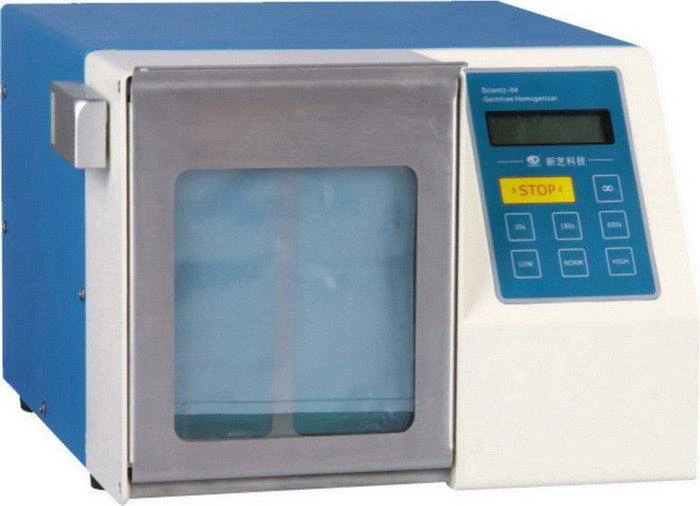

First off, the LCD display on a blender serves as a control center. It's like the dashboard of a car, giving you all the important information you need to operate the blender effectively. You can see things like the speed setting, the time the blender has been running, and sometimes even the temperature if it's a more advanced model.
One of the most basic but essential functions is the speed control display. You can easily adjust the speed of the blender to suit the task at hand. Whether you're making a smooth puree for a baby food or a chunky salsa, being able to set the right speed is key. The LCD shows you exactly what speed you've selected, so you don't have to guess. For example, if you're blending a thick smoothie, you might want to start at a lower speed to break up the ice and then increase it to a higher speed to get that creamy consistency.
The timer function is another great feature. You can set a specific time for the blender to run. This is super handy when you're making things like soups or nut butters. You don't have to stand there and watch the blender the whole time. Just set the timer on the LCD, and the blender will automatically stop when the time is up. It takes the guesswork out of blending and ensures that you get consistent results every time.
Some LCD blenders also have a temperature display. This is especially useful in the food industry, where maintaining the right temperature is crucial for food safety and quality. For instance, when making chocolate ganache, you need to keep the temperature within a certain range to get the perfect texture. The LCD display shows you the temperature in real-time, so you can make adjustments as needed.
Now, let's talk about how these display functions benefit different users. For home cooks, the LCD display makes the blending process much easier and more enjoyable. You don't have to be a professional chef to use a blender effectively. The clear display of speed, time, and temperature takes the stress out of cooking and allows you to focus on creating delicious meals.
In the commercial kitchen, the LCD display is even more important. Restaurants, cafes, and catering companies rely on blenders to make large quantities of food quickly and efficiently. The timer function helps them manage their time better, and the speed control ensures that they can meet the high demand for consistent quality. The temperature display is also a big plus in commercial settings, as it helps maintain food safety standards.
In the medical and pharmaceutical industries, the LCD display on blenders has its own set of benefits. For example, in Medical Stomacher Blender Price, the display can show important parameters for homogenizing samples. This is crucial for accurate testing and research. The Pharmaceutical Aseptic Homogenizer also benefits from the LCD display, as it allows for precise control of the blending process to ensure the quality of pharmaceutical products. And in Stomacher Blender Microbiology, the display helps researchers monitor and adjust the blending conditions for microbial analysis.
When it comes to the technology behind these LCD displays, they are designed to be user-friendly. The interface is usually intuitive, with big, easy-to-read numbers and icons. This means that even people who aren't tech-savvy can use the blender without any problems. The displays are also durable and resistant to scratches and spills, which is important in a busy kitchen or laboratory environment.
Another advantage of the LCD display is that it can provide feedback to the user. Some blenders have sensors that detect things like the thickness of the mixture or the load on the motor. The LCD display can then show a warning or suggest an adjustment to the speed or time. This helps prevent the blender from overheating or getting damaged, and it also ensures that you get the best results.
In terms of customization, many LCD blenders allow you to save your favorite settings. This is really convenient if you make the same recipe over and over again. You can just press a button on the LCD, and the blender will automatically set the speed and time according to your saved settings. It saves you time and makes the blending process even more efficient.
As a supplier of LCD blenders, I know that the display function is a key selling point. Customers are always looking for blenders that are easy to use and offer advanced features. The LCD display meets these needs and more. It not only enhances the functionality of the blender but also adds a touch of modernity and sophistication.
If you're in the market for a new blender, whether it's for your home kitchen or a commercial establishment, I highly recommend considering an LCD blender. The display functions make the blending process so much easier and more precise. You'll be able to create amazing recipes with less effort and more consistency.
So, if you're interested in learning more about our LCD blenders or if you're ready to make a purchase, don't hesitate to reach out. We're here to help you find the perfect blender for your needs. Whether you're a home cook looking for a reliable kitchen appliance or a business owner in need of a high-performance blender, we've got you covered.
References
- General knowledge of blender technology and user experiences in the food, medical, and pharmaceutical industries.
That's it for today's blog post. I hope you found it informative and useful. If you have any questions or comments, feel free to leave them below. Thanks for reading!