

What are the quality standards for flake ice?
Oct 08, 2026
Leave a message
Hey everyone! As someone who’s been in the flake ice game for over a decade, I get it — if you’re in the market for flake ice (or already use it), you’ve probably wondered: what actually makes good flake ice? It’s not just cold, white stuff that looks the same across the board. Over the years, I’ve seen so many customers pass on subpar ice machines just because they didn’t know what standards to look for, and end up with ice that’s too crumbly, melts way too fast, or even raises safety red flags. Today, I’m breaking down the real, science-backed quality standards for flake ice — stuff that’ll help you make the right call when you’re buying ice or an ice maker (like one of our top models, the 130kg/Day Flake Ice Maker Machine Best Choose With CE if you need a solid daily output setup).

First off, let’s get one thing straight: flake ice isn’t like cubed or crushed ice. It’s that soft, snow-like or flaky texture that’s perfect for packing seafood, keeping deli cases cold, or even cooling down concrete during construction. Its shape is key, but the quality goes way deeper than that. Let’s start with the big one: Purity & Food Safety. If you’re using flake ice for food — which 90% of our customers do, from supermarkets to meat processing plants — this is non-negotiable.
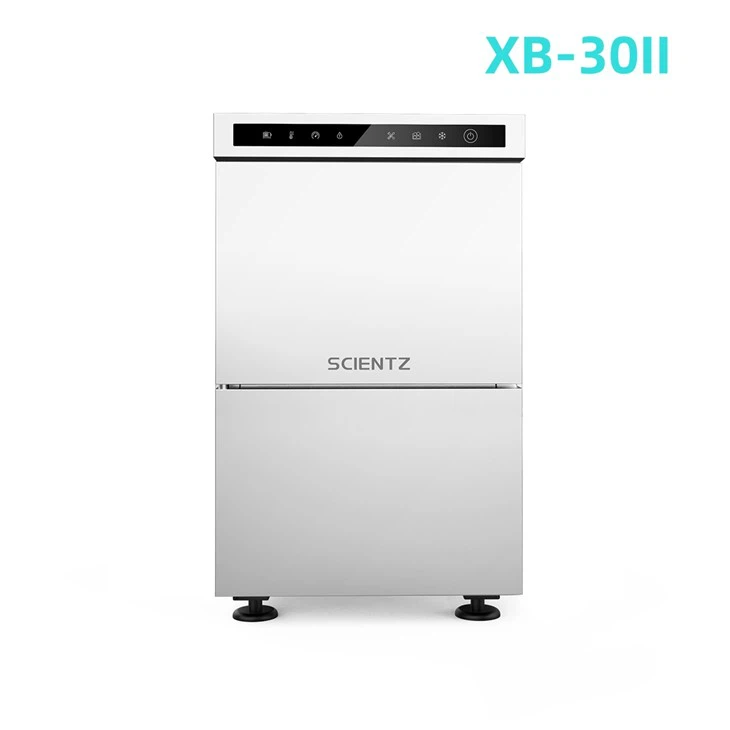
Food safety standards for ice are actually regulated by groups like the FDA (in the US) and EFSA (in Europe), but there are practical checks too. Good flake ice can’t have any weird odors, discoloration, or contaminants like sediment or bacteria. Why? Because unlike cubed ice that’s frozen in molds, flake ice is made by scraping thin layers off a cold surface, so if the equipment isn’t cleaned properly, you’ll get built-up gunk that ends up in the ice. That’s why all our flake ice makers use stainless steel evaporators (like the XB-20II Effective Stainless Steel Flake Ice Machine Maker, which is built with food-grade 304 stainless steel — no cheap aluminum here that can leach stuff over time). Also, the water used to make the ice has to meet the same drinking water standards. We always advise customers to use filtered water, especially if their local supply has high mineral content, because too many minerals will make the ice cloudy, hard, or even leave deposits in the machine.
Next, Texture & Consistency. This is where a lot of budget machines fall flat. Good flake ice should be soft enough to pack tightly, but not so crumbly that it turns to slush the second you touch it. The ideal texture is similar to fresh snow — it clumps a little when squeezed, but breaks apart easily when you don’t apply pressure. Why does this matter? If you’re a fishery packing fresh catch, ice that clumps too much can trap air, which speeds up spoilage. If it’s too crumbly, it won’t insulate well and will melt faster. The secret to consistent texture is how the ice is frozen and scraped. Machines that freeze thin, uniform layers (usually 1-2mm thick) and scrape them at the right temperature (around -5°C or 23°F) make the best flake. For example, our Easy Operation Flake Ice Maker For Food Processing is calibrated to get that exact texture every single batch, no guesswork needed. We’ve had customers in supermarket delis tell us this is a game-changer because the ice stays consistent during busy weekend rushes.
Then there’s Melting Rate. This is a huge one people overlook. Flake ice is supposed to melt faster than cubed ice, right? But there’s a sweet spot — too fast, and you’re refilling all the time, wasting water and money; too slow, and it’s not doing its job cooling. The melting rate depends on two things: density and surface area. Flake ice has a high surface area (since it’s thin and flat), which is why it’s good for cooling, but the density needs to be controlled. Our Commercial Ice Flake Machine Flake Ice Maker models are engineered to make ice with a density of around 0.45-0.55 g/cm³ — that’s not too light (so it doesn’t blow around) and not too heavy (so it doesn’t feel like a block of ice that melts slow). We tested this last year with a local meat processing plant: they switched from a cheap machine that made ice with a density of 0.38 g/cm³ (melted way too fast) to our machine, and they cut their ice usage by 15% in a month because they didn’t have to restock as often. Win-win.
Energy Efficiency & Reliability. Wait, is that a quality standard? Absolutely. A machine that makes low-quality ice but uses 2x more electricity isn’t worth it. Let’s be real: if your ice maker is costing you an arm and a leg in utility bills, even if the ice is good, you’re losing money. Look for machines with CE certification (like that 130kg/Day model I mentioned earlier) — CE certification means it meets strict EU safety and efficiency standards, so you know it’s not going to burn out or guzzle power. Also, reliability matters. If your machine breaks down in the middle of a busy fish delivery, that’s a huge loss. All our flake ice makers are built with industrial-grade components, and we’ve got a great support team if anything does come up. Also, pay attention to the ice production rate — match it to your needs. If you’re a small supermarket, a 130kg/day machine is perfect; if you’re a big fishery, you’ll need something higher. That’s why our Flake Ice Maker Widely Used In Supermarket, Fishery, And Meat Processing comes in multiple capacities, so you don’t overbuy or underbuy.
Minimal Residual Water. This is a small detail but makes a big difference. When the ice is scraped off the evaporator, there’s usually a little bit of unfrozen water left. Good machines drain that excess water automatically, so you don’t end up with ice that’s half ice, half slush. Slushy ice is messy, doesn’t insulate well, and can make storage areas wet. Our machines have a built-in drain system that removes that excess water, so the ice you get is almost all solid flake — no extra mess.
Wait, let’s talk about common mistakes people make, just so you don’t fall for them. A lot of budget machines advertise “flake ice” but actually make more crushed ice. Crushed ice is hard, has sharp edges, and melts way faster than real flake. How to tell the difference? Real flake ice is soft enough to bend a little (careful, though — don’t break it) and has that snow-like appearance. Crushed ice is angular and hard. Another mistake: ignoring maintenance. Even the best machine will make bad ice if you don’t clean it regularly. We recommend cleaning the evaporator every 3-6 months (depending on usage) to get rid of mineral buildup and bacteria. Our machines have easy-to-clean parts, so it’s not a hassle.
Let’s tie this all together with a real example. Last year, a customer who runs a chain of supermarkets reached out to us. They were using a cheap ice maker from overseas, and their ice was coming out cloudy, melting in 2 hours, and leaving slush in their display cases. They switched to our 130kg/Day Flake Ice Maker Machine Best Choose With CE. Within a week, their display cases stayed cold 2 hours longer, their ice usage went down by 20%, and customers started commenting on how fresh the produce and seafood looked (because the ice was actually keeping it cold, not melting immediately). That’s the difference between meeting quality standards and cutting corners.
Now, I know when you’re sourcing flake ice or an ice maker, it can feel overwhelming with all the options out there. But if you keep these standards in mind — purity/food safety, texture/consistency, controlled melting rate, energy efficiency, minimal residual water, and reliability — you’ll narrow it down fast. If you’re not sure which machine is right for your business, our team can help! We’ve worked with everyone from small cafes to large industrial facilities, so we know what works for different needs. Whether you need an easy-to-use model for food processing, a stainless steel unit for a high-volume deli, or a commercial workhorse for a supermarket or fishery, we’ve got you covered.
Ready to stop dealing with subpar flake ice and start getting ice that actually meets your needs? Reach out to our team to chat about your requirements — we’ll help you find the perfect flake ice maker or bulk flake ice solution for your business. Don’t settle for ice that melts too fast, is unsafe for food, or costs you too much money. Good flake ice is an investment in your operations, and you deserve the best.
REFERENCES
FDA. (2023). Food Code 2022: Ice as a Food Product. U.S. Food and Drug Administration.
European Food Safety Authority (EFSA). (2021). Scientific Opinion on the Safety of Ice for Human Consumption. EFSA Journal.
ASHRAE. (2022). HVAC Applications Handbook: Ice Making and Storage. American Society of Heating, Refrigerating and Air-Conditioning Engineers.
National Marine Fisheries Service (NMFS). (2023). Seafood Handling Guidelines: Ice Quality Standards. U.S. Department of Commerce.