

How to troubleshoot a lab blender that makes unusual noises?
Aug 28, 2026
Leave a message
How to troubleshoot a lab blender that makes unusual noises?
As a trusted supplier of lab blenders, I understand how frustrating it can be when your equipment starts making strange noises. Unusual sounds from a lab blender are not just annoying; they can also indicate underlying issues that may affect the performance and longevity of the device. In this blog post, I'll guide you through the steps to troubleshoot a lab blender that is making unusual noises, drawing on my extensive experience in the industry.
Step 1: Safety First
Before you start any troubleshooting, ensure that the blender is unplugged from the power source. This is a crucial step to prevent any potential electrical hazards. Even if the blender seems safe, it's always better to err on the side of caution. Once the blender is unplugged, you can safely inspect the exterior and interior components.
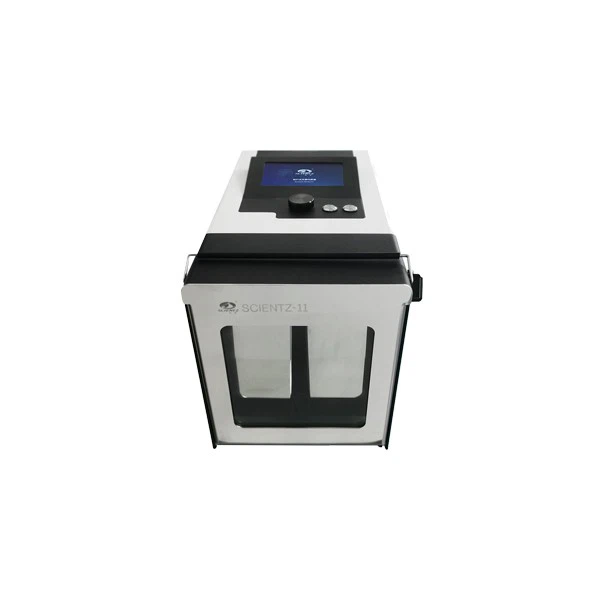

Step 2: Check the Blender's Placement
Sometimes, the source of the unusual noise can be as simple as the blender's placement. Make sure that the blender is placed on a flat, stable surface. If the surface is uneven, it can cause the blender to vibrate excessively, leading to strange noises. Additionally, check if the blender is in contact with any other objects that could be causing the noise. For example, if the blender is placed too close to a wall or another piece of equipment, it may be hitting against it during operation.
Step 3: Inspect the Blender Jar
The blender jar can also be a source of unusual noises. Check the jar for any cracks or chips. If the jar is damaged, it can cause the blender to make rattling or clicking noises. Additionally, make sure that the jar is properly seated on the base of the blender. If the jar is not seated correctly, it can cause the blender to vibrate and make noise.
Step 4: Examine the Blades
The blades of the blender are another common source of unusual noises. Check the blades for any damage, such as bent or dull blades. If the blades are damaged, they may not be able to blend the ingredients properly, which can cause the blender to make grinding or screeching noises. You may need to replace the blades if they are damaged.
Step 5: Look at the Motor
The motor is the heart of the blender, and any issues with the motor can cause unusual noises. Check the motor for any signs of overheating, such as a burning smell or excessive heat. If the motor is overheating, it may be due to overuse or a problem with the ventilation. Additionally, listen for any grinding or humming noises coming from the motor. These noises can indicate a problem with the motor bearings or other internal components. If you suspect a problem with the motor, it's best to contact a professional technician for further diagnosis and repair.
Step 6: Check the Drive Coupling
The drive coupling connects the motor to the blades of the blender. If the drive coupling is loose or damaged, it can cause the blender to make rattling or clicking noises. Check the drive coupling for any signs of wear or damage. If the drive coupling is loose, you may be able to tighten it with a wrench. However, if the drive coupling is damaged, it will need to be replaced.
Step 7: Clean the Blender
A dirty blender can also cause unusual noises. Over time, food particles and debris can accumulate in the blender, which can cause the blades to become unbalanced and make noise. To clean the blender, unplug it from the power source and remove the jar. Fill the jar with warm water and a small amount of dish soap. Run the blender on a low setting for a few seconds to clean the blades and the interior of the jar. Then, empty the jar and rinse it thoroughly with clean water. You can also use a soft cloth to wipe down the exterior of the blender.
Step 8: Consider the Load
The amount of ingredients you are blending can also affect the performance of the blender and cause unusual noises. Make sure that you are not overloading the blender. Follow the manufacturer's instructions regarding the maximum capacity of the blender. If you are blending a large amount of ingredients, it may be best to do it in multiple batches.
Step 9: Update or Replace Components
In some cases, the issue may be due to outdated or worn-out components. Check if there are any available updates or replacements for the blender's parts. You can visit the manufacturer's website or contact their customer support for more information. Updating or replacing components can often solve the problem and improve the performance of the blender.
Step 10: Seek Professional Help
If you have followed all the above steps and the blender is still making unusual noises, it's time to seek professional help. A professional technician will have the expertise and tools to diagnose and repair the problem. You can contact the manufacturer's customer support or a local appliance repair service for assistance.
In addition to troubleshooting, it's important to maintain your lab blender regularly to prevent issues. Here are some tips for maintaining your lab blender:
- Clean the blender after each use: This will prevent food particles and debris from accumulating in the blender and causing issues.
- Lubricate the moving parts: Follow the manufacturer's instructions regarding lubrication. Lubricating the moving parts can reduce friction and prevent wear and tear.
- Store the blender properly: When not in use, store the blender in a dry, cool place. Avoid storing the blender in a humid or dusty environment.
As a lab blender supplier, I offer a wide range of high-quality lab blenders to meet your needs. If you are in the market for a new lab blender, you may be interested in our High Performance Lab Ultrasonic Homogenizer Machine With Best Price, New Sterile Homogenizer Equipment, Medical Stomacher Blender Price, Lab Blender, or 400ml Laboratory Animal Tissue Sterile Homogenizer. Our products are designed to provide reliable performance and excellent value for money.
If you have any questions or would like to discuss your specific requirements, please feel free to contact me. I'm here to help you find the right lab blender for your needs and ensure that you have a smooth and trouble-free experience.
References
- Manufacturer's manuals for lab blenders
- Industry best practices for lab equipment maintenance and troubleshooting