

How to select the right container for a lab mixer?
Aug 06, 2026
Leave a message
Hey there! As a supplier of lab mixers, I often get asked about how to select the right container for a lab mixer. It's a crucial decision that can significantly impact the efficiency and effectiveness of your mixing process. In this blog, I'll share some tips and considerations to help you make the best choice.
Understanding Your Mixing Needs
First things first, you need to understand what you're mixing. Different substances have different properties, and these properties will influence the type of container you should use. For example, if you're mixing viscous liquids, you'll need a container that can handle the thick consistency without causing excessive splashing or difficulty in mixing. On the other hand, if you're working with volatile chemicals, you'll need a container that is airtight and made of a material that won't react with the chemicals.
Size Matters
The size of the container is another important factor. You want to choose a container that is neither too big nor too small for your lab mixer. If the container is too large, the mixer may not be able to effectively mix the contents, leading to uneven results. If it's too small, you may not be able to fit enough material for your experiment or production needs. A good rule of thumb is to leave some space at the top of the container to prevent overflow during mixing.
Material Selection
The material of the container is also crucial. There are several options available, each with its own advantages and disadvantages.
- Glass Containers: Glass is a popular choice for lab mixers because it's transparent, which allows you to easily observe the mixing process. It's also resistant to many chemicals and can withstand high temperatures. However, glass is fragile and can break easily, so you need to handle it with care.
- Plastic Containers: Plastic containers are lightweight and durable. They come in a variety of shapes and sizes, and some are designed specifically for lab use. However, not all plastics are suitable for all chemicals, so you need to make sure the plastic you choose is compatible with the substances you're mixing.
- Stainless Steel Containers: Stainless steel is strong, corrosion-resistant, and can handle high pressures. It's a good choice for mixing large volumes or for use in industrial settings. However, it's not transparent, so you won't be able to see the mixing process as easily.
Compatibility with the Lab Mixer
It's important to choose a container that is compatible with your lab mixer. Some mixers are designed to work with specific types of containers, so you need to check the manufacturer's specifications. For example, some mixers may require a container with a certain shape or size to function properly.
Special Features
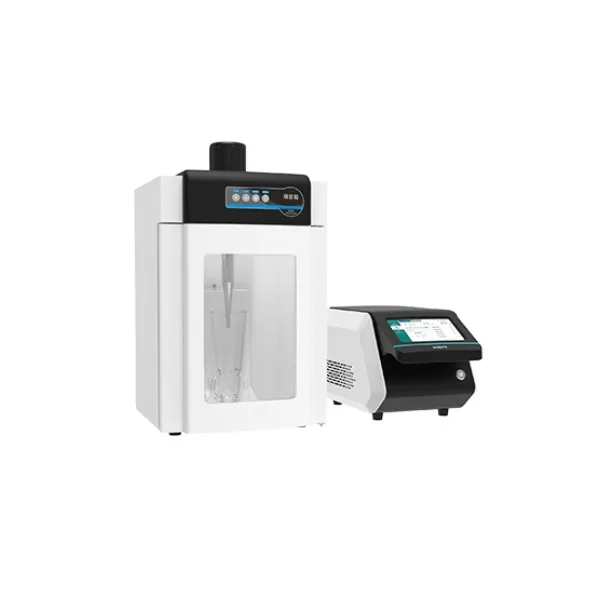
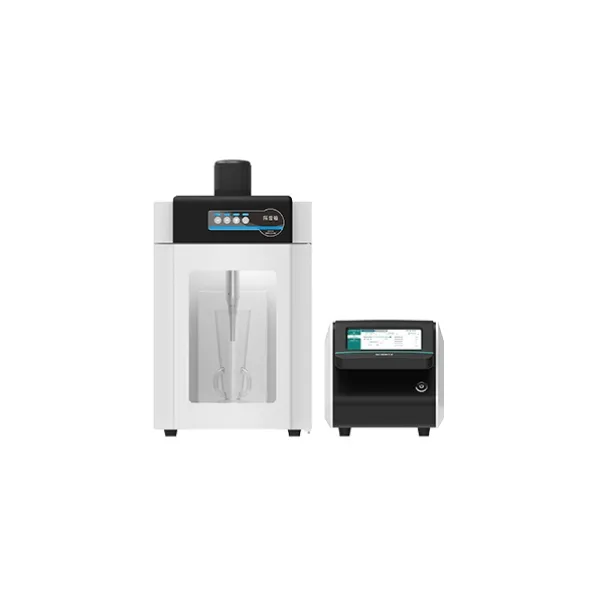
Depending on your specific needs, you may want to consider containers with special features. For example, if you're working with heat-sensitive materials, you may want a container with a double-wall design that provides insulation. If you need to control the temperature during mixing, you can look for a Constant Temperature Ultrasonic Extractor. This type of container allows you to maintain a consistent temperature throughout the mixing process.
Examples of Suitable Containers for Different Applications
- For Ultrasonic Extraction: If you're involved in ultrasonic extraction, such as Chinese Herbal Medicine Power Adjustable LCD Display Ultrasonic Extraction, a glass or stainless steel container is often a good choice. These materials can withstand the ultrasonic waves without being damaged.
- For DNA Interruption: When working with Ultrasonic DNA Interrupter, you'll need a container that is made of a material that won't interfere with the DNA. Plastic containers are often used in this case because they are less likely to cause contamination.
- For Digital Ultrasonication: For Digital Ultrasonicator applications, a container that can handle the ultrasonic energy and is easy to clean is essential. Glass or stainless steel containers are commonly used.
- For Cell Crushing: If you're using an Ultrasonic Cell Crusher Integrated SCIENTZ - 1000J, a container that can withstand the high energy of the cell crusher and is suitable for the type of cells you're working with is required. Plastic or glass containers can be used depending on the specific application.
Cost and Availability
Of course, cost and availability are also factors to consider. You want to choose a container that fits your budget and is readily available. Sometimes, you may need to balance cost with quality and functionality. It's always a good idea to compare prices from different suppliers and look for deals or discounts.
Final Thoughts
Selecting the right container for a lab mixer is not a one-size-fits-all decision. It requires careful consideration of your mixing needs, the properties of the substances you're working with, the size and material of the container, and its compatibility with the mixer. By taking these factors into account, you can ensure that you choose a container that will help you achieve the best results in your lab work.
If you're in the market for a lab mixer or need advice on choosing the right container, don't hesitate to reach out. We're here to help you make the best decision for your specific application. Let's have a chat about your requirements and find the perfect solution for you!
References
- Various scientific publications on lab equipment usage and chemical compatibility.
- Manufacturer's guidelines for lab mixers and containers.