

Can a homogenizer be used for animal feed processing?
Oct 22, 2025
Leave a message
Hey there! As a supplier of homogenizers, I often get asked if a homogenizer can be used for animal feed processing. Well, the short answer is yes! But let's dive deeper into this topic to understand how and why homogenizers can play a crucial role in the animal feed industry.
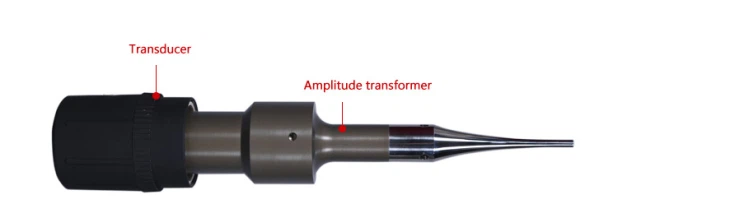
First off, what exactly is a homogenizer? In simple terms, a homogenizer is a machine that breaks down particles in a liquid or semi - liquid substance to create a uniform and stable mixture. There are different types of homogenizers, such as ultrasonic homogenizers, which use high - frequency sound waves to disrupt and mix materials.
When it comes to animal feed processing, the quality and consistency of the feed are super important. Animals need a balanced diet that contains all the necessary nutrients in the right proportions. Homogenizers can help achieve this in several ways.
One of the main benefits of using a homogenizer in animal feed processing is improving the digestibility of the feed. Many raw materials used in animal feed, like grains and proteins, can have large particles that are difficult for animals to break down. By using a homogenizer, these large particles are broken into smaller ones. This increases the surface area of the feed particles, allowing enzymes in the animal's digestive system to work more effectively. For example, if you're using a Lab Ultrasonic Homogenizer For Dispersing Sonicator Processing And Mixing Liquid Chemicals, it can break down complex proteins into smaller peptides and amino acids, making them easier for animals to absorb.
Another advantage is enhancing the stability of the feed. Homogenized feed has a more uniform texture and composition. This means that the nutrients are evenly distributed throughout the feed, reducing the risk of nutrient segregation. Nutrient segregation can occur when different components of the feed separate over time, leading to inconsistent nutrient intake by animals. With a homogenizer, you can ensure that each mouthful of feed contains the right balance of vitamins, minerals, and other essential nutrients.
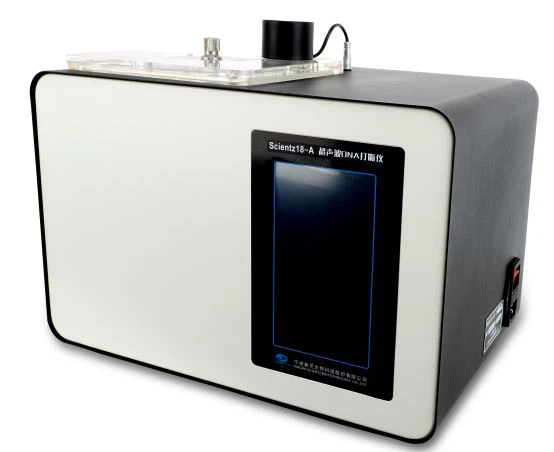
Homogenizers can also be used to incorporate additives into the animal feed. Additives like vitamins, minerals, and antibiotics are often added to animal feed to improve the health and growth of the animals. However, these additives need to be evenly distributed in the feed. A homogenizer can mix these additives thoroughly with the base feed, ensuring that every part of the feed has the same concentration of the additives. For instance, an Ultrasonic DNA Interrupter can be used to break down and disperse DNA - based additives effectively.
Now, let's talk about the types of homogenizers suitable for animal feed processing. Ultrasonic homogenizers are a great option. They are gentle on the feed materials, which is important because some nutrients can be sensitive to high temperatures and mechanical stress. Ultrasonic homogenizers work by creating cavitation bubbles in the liquid or semi - liquid feed. When these bubbles collapse, they generate high - energy shockwaves that break down the particles. The JY96 - IIN/JY88 - IIN Ultrasonic Homogenizer For Laboratory is a popular choice for small - scale and laboratory - based animal feed processing. It offers precise control over the homogenization process, allowing you to adjust the intensity and duration of the ultrasonic waves according to the specific requirements of your feed.
For larger - scale animal feed production, high - pressure homogenizers can also be used. These homogenizers force the feed through a small orifice at high pressure, which breaks down the particles. They are capable of processing large volumes of feed quickly and efficiently.
However, like any technology, using a homogenizer in animal feed processing also has some considerations. The cost of purchasing and operating a homogenizer is one factor. You need to make sure that the benefits of using a homogenizer, such as improved feed quality and animal health, outweigh the costs. Maintenance is another important aspect. Homogenizers need regular cleaning and servicing to ensure optimal performance.
In addition, the type of feed and the specific requirements of the animals also play a role. Different animals have different digestive systems and nutritional needs. For example, the feed for poultry may require a different homogenization process compared to the feed for cattle. You need to choose the right type of homogenizer and adjust the processing parameters accordingly.
To sum it up, a homogenizer can definitely be used for animal feed processing, and it offers many benefits in terms of improving digestibility, enhancing stability, and incorporating additives. Whether you're a small - scale farmer or a large - scale feed manufacturer, there's a homogenizer out there that can meet your needs.
If you're interested in learning more about how our homogenizers can benefit your animal feed processing operations, or if you have any questions about our products, feel free to reach out. We're here to help you make the best decision for your business and ensure that your animals get the high - quality feed they deserve.
References
- "Principles of Animal Nutrition" - A comprehensive textbook on animal nutrition that discusses the importance of feed quality.
- "Advances in Feed Processing Technology" - A research publication that covers the latest developments in feed processing, including the use of homogenizers.