

What is the impact of sonication on the surface properties of materials?
Aug 05, 2026
Leave a message
What is the impact of sonication on the surface properties of materials?
Hey there! As a supplier of sonicators, I've seen firsthand how this technology can work wonders on the surface properties of materials. Sonication, which involves using ultrasonic waves to agitate particles in a liquid, has a wide range of applications across different industries. In this blog, I'll break down how sonication affects the surface properties of materials and why it's such a game - changer.
Understanding Sonication Basics
Before we dive into the impacts, let's quickly go over what sonication is. When you use a sonicator, high - frequency sound waves are sent through a liquid medium. These waves create alternating high - and low - pressure cycles. During the low - pressure phase, tiny bubbles, called cavitation bubbles, form in the liquid. When the high - pressure phase comes around, these bubbles collapse violently. This whole process is known as cavitation, and it's the key to the magic that sonication brings.
Surface Cleaning and Degreasing
One of the most common impacts of sonication on material surfaces is cleaning and degreasing. You know how hard it can be to get rid of stubborn grease, dirt, and contaminants from a surface? Well, sonication makes it a whole lot easier. The cavitation bubbles that form during sonication implode near the material's surface. This implosion creates micro - jets of liquid that blast away dirt and grease particles.
For example, in the manufacturing industry, metal parts often need to be cleaned before further processing or assembly. Using our sonicators, manufacturers can achieve a high - level of surface cleanliness. The ultrasonic waves can reach into tiny crevices and pores that are hard to access with traditional cleaning methods. This ensures that the surface is free from contaminants, which is crucial for things like painting, plating, or bonding operations. If you're interested in how sonication can be used for cell - related homogenization processes, check out Homogenization Of Cells.
Surface Activation
Sonication can also activate the surface of materials. When the cavitation bubbles collapse near the surface, they generate high temperatures and pressures for a very short period. This can cause chemical reactions to occur on the surface, changing its chemical composition.
For instance, in the field of materials science, sonication can be used to activate the surface of polymers. An activated polymer surface has better adhesion properties, which is great for applications like coating or laminating. The activated surface can form stronger bonds with other materials, improving the overall performance of the final product. Our Ultrasonic Homogenizer Biologics can be used in some advanced material - surface - activation processes where high - precision cavitation control is required.
Surface Modification and Nanoparticle Incorporation
Another cool impact of sonication is surface modification and the incorporation of nanoparticles. By subjecting a material to sonication in the presence of nanoparticles, the nanoparticles can be embedded into the material's surface.
Let's say you want to enhance the conductivity or catalytic activity of a material. You can use sonication to introduce conductive or catalytic nanoparticles onto the material's surface. The cavitation forces help to break up agglomerates of nanoparticles and distribute them evenly across the surface. This results in a material with improved functional properties. Our Ultrasonic Cell Homogenizer can also be adjusted for such surface - modification applications, as it provides precise control over the sonication process.
Particle Size Reduction and Dispersion
Sonication is a great tool for reducing the particle size of materials on the surface and achieving better dispersion. When you have a powder or a suspension of particles, sonication can break down larger particles into smaller ones.
In the paint and coating industry, for example, sonication can be used to disperse pigments evenly. Smaller and well - dispersed pigment particles result in a more uniform color and better - quality coatings. The cavitation bubbles generated during sonication create shear forces that act on the particles, breaking them apart and preventing them from re - agglomerating. Our Portable Ultrasonic Cell Crusher can be a handy option for on - site particle - size reduction and dispersion tasks.
Impact on Wettability
Wettability, which is how well a liquid spreads over a solid surface, can also be affected by sonication. Sonication can change the surface roughness and surface energy of a material.
If a surface becomes more rough after sonication, it usually has higher wettability. This is because the rough surface provides more contact points for the liquid to adhere to. In some applications like printing or adhesion, improved wettability is crucial. By using our High Efficiency Ultrasonic Homogenizer 900W 0.5 - 600ml, you can accurately control the sonication parameters to achieve the desired level of surface roughness and thus modify the wettability of the material.
Quality Control and Process Optimization
As a sonicator supplier, I know that achieving the right impact on the surface properties of materials requires careful control of sonication parameters. Things like the frequency of the ultrasonic waves, the power, and the duration of sonication all play a role.
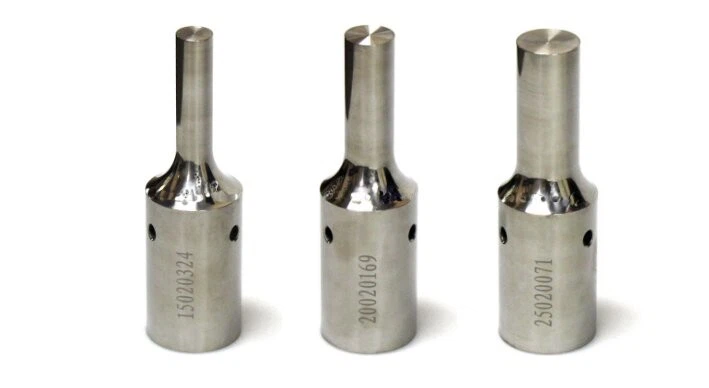
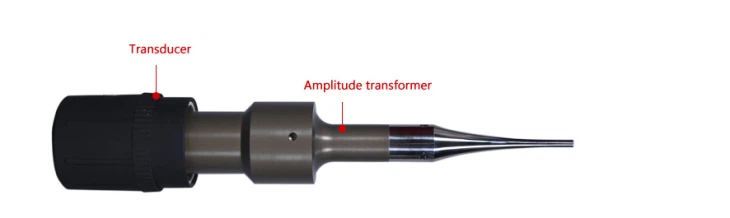
We offer sonicators with advanced control features that allow you to fine - tune these parameters according to your specific material and application requirements. Whether you're working with metals, polymers, ceramics, or biological materials, our sonicators can be customized to get the best results.
Conclusion and Invitation
In conclusion, sonication has a profound impact on the surface properties of materials, from cleaning and activation to modification and dispersion. It's a versatile technology that offers many benefits across different industries.
If you're looking to improve the surface properties of your materials or want to explore new applications of sonication, we're here to help. Our team of experts can provide you with in - depth advice on choosing the right sonicator for your needs. And we're always open to discussing potential partnerships and procurement opportunities. So, don't hesitate to reach out and let's start a conversation about how our sonicators can take your business to the next level!
References
- Mason, T. J. (2018). Sonochemistry: The Applications of Ultrasound in Chemistry. Royal Society of Chemistry.
- Suslick, K. S. (2008). Sonochemistry. Annual Review of Physical Chemistry, 59(1), 655 - 683.
- Tian, Y., & Zhang, Z. (2019). Influence of ultrasound on the surface properties of materials: A review. Ultrasonics Sonochemistry, 50, 143 - 153.