

How does the hardness of the material affect the grinding efficiency of a ball mill?
Jun 10, 2026
Leave a message
Hey there! As a ball mill supplier, I've seen firsthand how the hardness of materials can have a huge impact on the grinding efficiency of a ball mill. In this blog, I'm gonna break down how material hardness affects the grinding process and what you can do to optimize your ball mill's performance.
Let's start with the basics. The hardness of a material is a measure of its resistance to deformation, scratching, or abrasion. It's usually determined by testing the material's ability to withstand a specific amount of force. When it comes to ball mills, the hardness of the material being ground plays a crucial role in how efficiently the mill can break it down into smaller particles.
How Hardness Affects Grinding Efficiency
1. Energy Consumption
Harder materials require more energy to grind. This is because the grinding media (the balls in the ball mill) have to work harder to break the material into smaller pieces. When you're dealing with a hard material, the balls need to apply more force to overcome the material's resistance. As a result, the ball mill has to use more power to keep the grinding process going. For example, if you're grinding a soft material like limestone, the ball mill won't have to work as hard, and it'll consume less energy. But if you're grinding a hard material like quartz, the energy consumption will be significantly higher.
2. Wear and Tear
The hardness of the material also affects the wear and tear on the ball mill and its components. Hard materials are more abrasive, which means they can cause more damage to the grinding media and the inner lining of the ball mill. Over time, this can lead to increased maintenance costs and a shorter lifespan for the equipment. For instance, if you're constantly grinding a hard material, the balls in the mill will wear down faster, and you'll need to replace them more frequently. The same goes for the lining of the mill; it'll get worn out more quickly, and you'll have to replace it to maintain the mill's performance.
3. Grinding Time
Harder materials take longer to grind. Since they're more resistant to breakage, the ball mill has to run for a longer period to achieve the desired particle size. This can slow down the production process and increase the overall cost of grinding. For example, if you're trying to grind a hard material to a fine powder, it might take several hours or even days to get the right particle size. On the other hand, a soft material can be ground much more quickly.
Optimizing Grinding Efficiency for Different Hardness Materials
1. Selecting the Right Grinding Media
The choice of grinding media is crucial when it comes to optimizing the grinding efficiency of a ball mill. For hard materials, you'll need to use harder and more wear-resistant grinding media. For example, steel balls are a popular choice for grinding hard materials because they're strong and can withstand the high forces required to break down the material. On the other hand, for soft materials, you can use softer grinding media like ceramic balls, which are less likely to cause excessive wear on the mill and its components.
2. Adjusting the Grinding Parameters
You can also optimize the grinding efficiency by adjusting the grinding parameters such as the speed of the ball mill, the filling ratio of the grinding media, and the feed rate of the material. For hard materials, you might need to increase the speed of the ball mill to apply more force to the material. You can also increase the filling ratio of the grinding media to ensure that there are enough balls to break down the material. However, you need to be careful not to overfill the mill, as this can lead to inefficient grinding and increased wear on the equipment.
3. Using Additives
In some cases, you can use additives to improve the grinding efficiency of a ball mill. For example, you can add a grinding aid to the material being ground. Grinding aids are chemicals that can reduce the surface tension of the material, making it easier to break down. They can also prevent the particles from agglomerating, which can improve the flowability of the material and increase the grinding efficiency.
Related Products
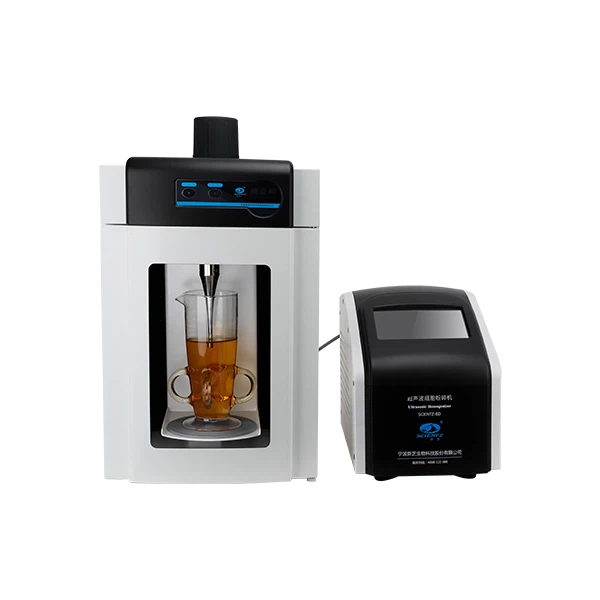
If you're interested in other equipment that can complement your ball mill, we also offer a range of ultrasonic products. Check out our Ultrasonic Homogenizer, Ultrasonic Cell Disruptor Homogenizer, and Ultrasonic Microwave Extractor System. These products can be used for various applications, including sample preparation, cell disruption, and extraction.

Conclusion
In conclusion, the hardness of the material has a significant impact on the grinding efficiency of a ball mill. By understanding how hardness affects energy consumption, wear and tear, and grinding time, you can take steps to optimize your ball mill's performance. Whether you're dealing with hard or soft materials, selecting the right grinding media, adjusting the grinding parameters, and using additives can all help you achieve better results.
If you're looking to purchase a ball mill or need more information about how to optimize your grinding process, feel free to reach out. We're here to help you find the best solution for your needs.
References
- Smith, J. (2018). Ball Mill Grinding Technology: Design and Operation. Elsevier.
- Doe, A. (2020). The Impact of Material Hardness on Grinding Efficiency. Journal of Mining and Materials Processing, 15(2), 45-52.