

How does flake ice interact with different chemicals?
Nov 23, 2026
Leave a message
Hey everyone,
If you work in an industry that deals with ice—especially flake ice—you know it’s way more than just cold water frozen solid. As a flake ice supplier who gets questions all the time from clients in supermarkets, fisheries, and meat processing about how flake ice plays with different chemicals, I figured I’d break this down without all the boring textbook jargon. Let’s dive in, because this stuff actually matters for keeping your products safe, your ice machines running right, and your operations smooth.
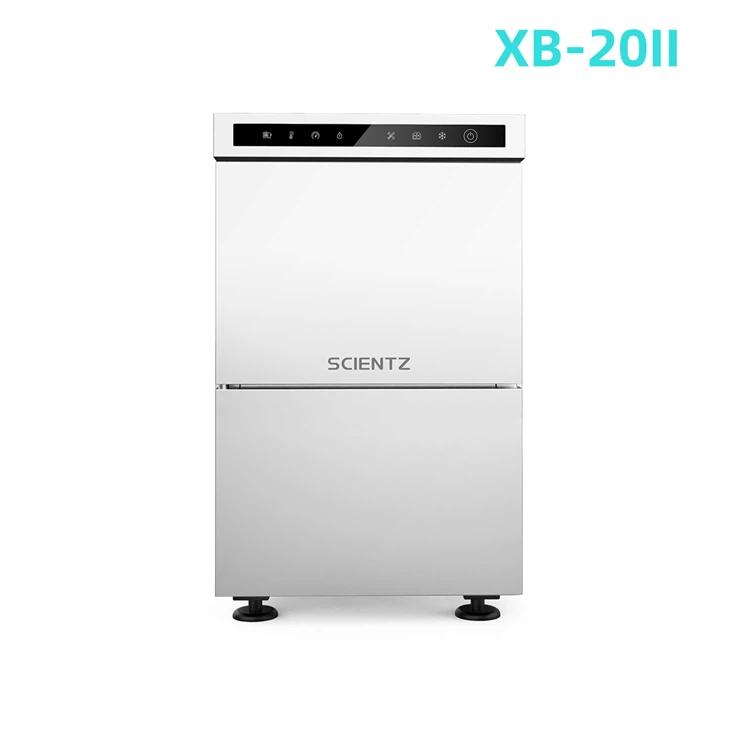
First, let’s refresh what flake ice is for anyone new here. It’s that thin, soft, crumbly ice (usually 1-2 mm thick) that melts way slower than cubed ice, wraps around products evenly, and has a big surface area for consistent cooling. That’s why you see it everywhere from fresh fish displays to meat processing lines—you can check out our lineup of machines that make it, like the XB-20II Effective Stainless Steel Flake Ice Machine Maker, which is built to churn out clean, consistent flake ice for all these uses. But when chemicals get involved (think sanitizers, food additives, cleaning agents, even stuff like salt for de-icing), how does that interaction change? Let’s go through the main chemical groups you’ll run into.
First up: food-grade sanitizers and cleaning agents. These are the ones you use on your ice machines, product surfaces, and storage bins to kill bacteria. Most of these are chlorine-based (like bleach, but food-grade so it’s safe for food contact) or quaternary ammonium compounds (quats, which are common in food settings). Here’s the thing about flake ice: because it’s thin, it melts faster than other ice types, so if sanitizers make their way into the water supply for your flake ice machine, the chemical gets diluted quickly. Unlike a block of ice that might trap chemicals inside for days, flake ice’s rapid melting means any residual sanitizer isn’t going to hang around in the ice itself. That’s a win for food safety—no weird chemical buildup on your products. But wait, don’t skip cleaning your ice machine just because of this. Even though flake ice dilutes chemicals, leftover gunk in the machine can mix with water to make ice that picks up off-flavors. Our machines, like the Commercial Ice Flake Machine Flake Ice Maker, have stainless steel interiors that resist chemical corrosion, so even if you use strong cleaners, the machine holds up way better than cheaper plastic parts. I’ve had clients tell me they switched to stainless steel machines after their old ones rusted from harsh cleaning chemicals—total game-changer.

Next, food additives and ingredients in products. This is where the interaction is super dependent on the product. Let’s take fisheries first: when you’re cooling fresh fish, sometimes people add small amounts of salt to the flake ice to lower the melting point and get colder temps (around -2°C instead of 0°C). Flake ice mixes really well with salt here, right? Because it’s crumbly, it doesn’t clump up like cubed ice, so the salt distributes evenly. But here’s the catch: if you use too much salt, or you leave the fish in the ice too long, the salt can draw moisture out of the fish (osmosis, but we’ll keep it simple) and make it taste salty instead of fresh. For meat processing, sometimes meat is treated with mild acids (like citric acid) to extend shelf life. Flake ice won’t react with these mild acids at all—they just dissolve into the melt water, no weird chemical changes to the ice or the meat. But if you’re using strong acids (like sulfuric acid, which is only for industrial cleaning, not food), that can eat away at the stainless steel in your flake ice machine. So important to separate industrial chemical cleaning from food contact parts—check out the Flake Ice Maker Widely Used In Supermarket, Fishery, And Meat Processing page for tips on which chemicals are safe for each setting.
Then there’s heavy-duty industrial chemicals, like those used for descaling ice machines. Over time, mineral buildup from hard water can clog up your flake ice machine, so you need descaling agents. These are usually acid-based (like citric acid or food-grade phosphoric acid) to break down limescale. How do these interact with flake ice? Well, if you use too much descaling agent and some gets into the water that makes flake ice, it will melt the ice slightly faster, but since the concentration is low (and most good machines have a rinse cycle after descaling), it won’t affect the ice quality. What you do have to watch is that the chemical doesn’t damage the evaporator in your machine. Our line of XB-20/XB-30/XB-40/XB-50/XB-70/XB-85/XB-100/XB-130 Flake Ice Maker is built with a corrosion-resistant evaporator, so even regular descaling with food-grade chemicals won’t shorten its lifespan. I’ve seen clients try to skip descaling to save time, and then their machine breaks down—way more expensive than a quick clean with the right chemicals.
Wait, what about antifreeze or other low-temp chemicals? Sometimes in places like cold storage facilities, people use antifreeze, but that’s only for the coolant system, not the ice. If antifreeze ever mixes with the water supply for your flake ice machine, that’s a disaster. Flake ice will absorb the antifreeze really easily because of its high surface area, and antifreeze is toxic. Even a tiny amount can make the ice unsafe for food. That’s why you have to have separate lines for machine coolant and flake ice water. The good news is, our 150kg/Day Water Cooled Flake Ice Maker with CE comes with separate water filtration systems that prevent cross-contamination—so you don’t have to stress about that mix-up.
Let me also share a quick real example. Last year, a local meat processing client reached out to me because their flake ice was leaving a weird aftertaste on their beef. They thought the machine was broken, but it turned out they were using a strong industrial cleaner on the ice bin (not the machine itself) and not rinsing it properly. The residue was mixing with the melt water from the flake ice and absorbing into the meat. We walked them through switching to a mild, food-safe cleaner for the bin, and now their ice is clean and the meat tastes perfect. That’s the kind of thing that makes me love my job—helping people fix small issues before they become big problems.
Another point: chemical interactions depend on ice quality too. If your flake ice is made with dirty water, any chemicals in that water will stick to the ice, no matter what. So invest in a good water filter for your machine. Our machines all work with standard food-grade water filters, so you can make sure the ice is pure before it even goes into production. And since flake ice melts fast, any impurities in the ice show up quicker than in cubed ice—so you can catch issues early before they affect your products.
So to wrap this up, here’s the key takeaways:
- Food-grade sanitizers and mild cleaners play nice with flake ice—just dilute them and rinse well to avoid buildup.
- Salt and mild food additives mix with flake ice for better cooling, but don’t overdo it with salt for meat or fish.
- Strong industrial acids and antifreeze are no-gos for your ice water lines—keep them separate and use machine-friendly chemicals.
- Our machines are built to handle all these interactions without breaking down, so you can focus on your business instead of fixing ice issues.
If you’re looking to upgrade your flake ice machine, or you have questions about which chemicals are safe for your specific operation, get in touch with our team. We’ve worked with supermarkets, fisheries, and meat processing plants for years, so we know exactly what you need to keep your ice running smoothly and your products fresh. Don’t hesitate to reach out to start a conversation about your ice requirements.
References:
- Food and Drug Administration. (2022). Grade A Pasteurized Milk Ordinance: Sanitation Requirements for Food Contact Surfaces. U.S. Department of Health and Human Services.
- International Association of Food Industry Suppliers. (2021). Flake Ice Properties and Applications in Food Cooling. Food Safety Magazine.
- American Society of Heating, Refrigerating and Air-Conditioning Engineers. (2020). Standard for Ice Machines and Ice Storage Systems. ASHRAE.
- European Committee for Standardization. (2019). Safety Requirements for Commercial Ice Makers. EN 1672-2.