

Can an LCD blender blend fibrous vegetables?
Nov 19, 2025
Leave a message
Hey there! As a supplier of LCD blenders, I often get asked this question: Can an LCD blender blend fibrous vegetables? Well, let's dive right into it and find out.
First off, let's talk about what fibrous vegetables are. Fibrous veggies like celery, kale, broccoli, and spinach are packed with dietary fiber, which is great for our health. But that same fiber can be a real challenge when it comes to blending. The long, tough fibers can be stubborn and may not break down easily in an ordinary blender.
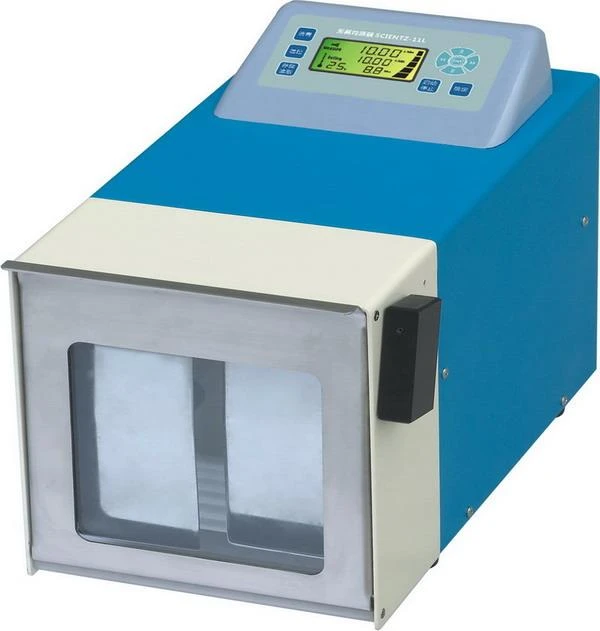
Now, let's look at what makes an LCD blender special. LCD blenders, like the ones we offer, come with advanced features that are designed to handle tough blending tasks. The LCD display allows you to precisely control the blending speed and time, which is crucial when dealing with fibrous vegetables. You can adjust the settings to ensure that the blender works at the optimal level to break down those fibers.
One of the key factors in blending fibrous vegetables is the power of the blender. Our LCD blenders are equipped with high - powered motors that can generate a lot of torque. This means they can cut through the tough fibers more effectively than low - powered blenders. The sharp blades in our blenders spin at high speeds, chopping and breaking down the vegetables into a smooth consistency.
Another advantage of our LCD blenders is their unique blending technology. For example, some of our models use a multi - blade system. These multiple blades work together to create a vortex inside the blending jar. This vortex helps to circulate the vegetables and ensures that all parts of the mixture are evenly blended. The result is a smooth and consistent puree, even when you're dealing with fibrous veggies.
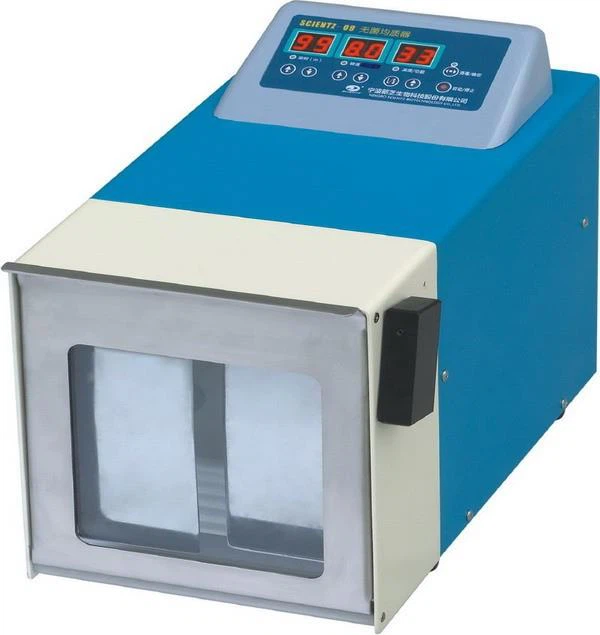
Let's take a closer look at some of our specific products. The Scientz - 09 Digital Display Laboratory Paddle Blenders are a great option for blending fibrous vegetables. They are designed for laboratory use but are also suitable for home and commercial kitchens. The digital display on these blenders allows you to set the blending time and speed with precision. The paddle design helps to push the vegetables towards the blades, ensuring a more thorough blending process.
Our LCD Display Paddle Blender is another excellent choice. It combines the benefits of an LCD display with a paddle system. The paddle helps to keep the vegetables in constant motion, preventing them from getting stuck at the bottom of the jar. This ensures that all the fibrous vegetables are blended evenly, leaving no chunks behind.
If you're looking for a more high - tech option, our LCD Laboratory Ultrasonic Sterile Homogenizer is worth considering. This blender uses ultrasonic technology in addition to the traditional blending mechanism. The ultrasonic waves help to break down the cell walls of the vegetables, making it easier to blend the fibrous parts. It's a great choice for those who want a more advanced and efficient blending solution.
But don't just take my word for it. Let's look at some real - world examples. Many of our customers have reported great results when using our LCD blenders to blend fibrous vegetables. One customer, a health - conscious mom, was able to make delicious and nutritious kale smoothies for her family. She said that before using our blender, she always ended up with a chunky and unappetizing mess. But with our LCD blender, she could easily blend the kale into a smooth and creamy consistency.
A restaurant owner also shared his experience. He uses our LCD blender to make fresh vegetable soups with fibrous ingredients like celery and broccoli. He said that the blender has significantly improved the quality of his soups. The soups are now smoother and more flavorful, and his customers have noticed the difference.
However, it's important to note that even with a high - quality LCD blender, there are still some tips you can follow to get the best results when blending fibrous vegetables. First, make sure to cut the vegetables into smaller pieces before putting them in the blender. This will make it easier for the blades to break them down. Second, add a little bit of liquid, such as water or juice, to the blender. The liquid helps to create a smoother consistency and also makes it easier for the blender to work.
In conclusion, an LCD blender can definitely blend fibrous vegetables. Our LCD blenders, with their advanced features, high - powered motors, and unique blending technologies, are more than capable of handling the tough fibers in these vegetables. Whether you're a home cook looking to make healthy smoothies or a professional chef in a restaurant, our LCD blenders can help you achieve the perfect blend.
If you're interested in purchasing an LCD blender for your blending needs, we'd love to hear from you. Contact us to start a procurement discussion, and we'll be happy to help you find the right blender for your requirements.
References
- Personal communication with customers (mom and restaurant owner)
- Product specifications of Scientz - 09 Digital Display Laboratory Paddle Blenders, LCD Display Paddle Blender, and LCD Laboratory Ultrasonic Sterile Homogenizer.