

Can an LCD blender be used to make pesto?
Nov 28, 2025
Leave a message
Can an LCD Blender be Used to Make Pesto?
Pesto, a vibrant and flavorful sauce originating from Genoa, Italy, has gained widespread popularity for its versatility and rich taste. Traditionally made with basil, garlic, pine nuts, Parmesan cheese, and olive oil, pesto can be used in various dishes, from pasta to sandwiches and even as a topping for pizza. As the demand for convenient and efficient kitchen appliances grows, many home cooks and professional chefs are wondering if an LCD blender can be used to make this delicious sauce. In this blog post, we'll explore the capabilities of LCD blenders and determine whether they are suitable for making pesto.
Understanding LCD Blenders
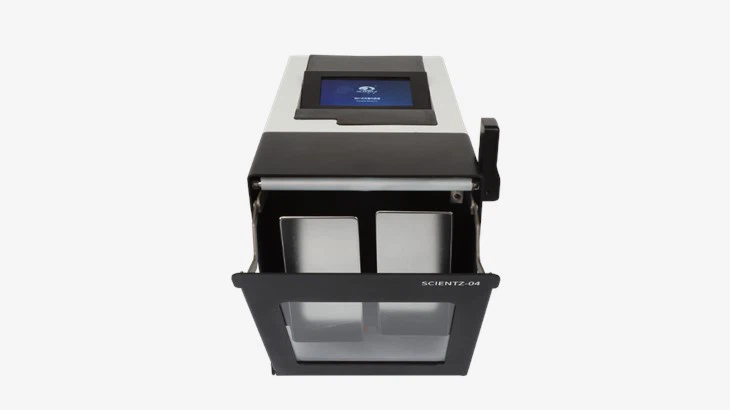
LCD blenders, also known as digital display blenders, are a type of blender that features a digital display screen. This screen allows users to easily control and monitor the blender's settings, such as speed, time, and power. LCD blenders are available in a variety of sizes and styles, from countertop models for home use to commercial-grade blenders for professional kitchens.
One of the key advantages of LCD blenders is their precision and control. With a digital display, users can set the blender to a specific speed and time, ensuring consistent results every time. This is particularly important when making pesto, as over-blending can result in a sauce that is too smooth and lacks the texture and flavor of traditional pesto.
The Process of Making Pesto
Before we determine whether an LCD blender can be used to make pesto, let's first understand the traditional process of making this sauce. The basic ingredients for pesto include fresh basil leaves, garlic cloves, pine nuts, Parmesan cheese, and olive oil. Here's a step-by-step guide to making pesto:
- Prepare the Ingredients: Wash the basil leaves and pat them dry. Peel the garlic cloves and chop the pine nuts. Grate the Parmesan cheese.
- Blend the Ingredients: Place the basil leaves, garlic cloves, and pine nuts in the blender. Pulse the blender a few times to break up the ingredients.
- Add the Cheese: Add the grated Parmesan cheese to the blender and pulse again to combine.
- Drizzle in the Olive Oil: With the blender running, slowly drizzle in the olive oil until the pesto reaches the desired consistency.
- Season to Taste: Taste the pesto and add salt and pepper to taste.
Can an LCD Blender be Used to Make Pesto?
The short answer is yes, an LCD blender can be used to make pesto. In fact, an LCD blender can offer several advantages over traditional blenders when making this sauce. Here are some reasons why an LCD blender is a great choice for making pesto:
- Precision and Control: As mentioned earlier, LCD blenders offer precise control over the blending process. This allows you to adjust the speed and time to achieve the perfect texture and consistency for your pesto.
- Consistent Results: With an LCD blender, you can set the same speed and time every time you make pesto, ensuring consistent results. This is particularly important if you're making pesto for a large group or for commercial purposes.
- Efficiency: LCD blenders are typically more powerful than traditional blenders, which means they can blend the ingredients more quickly and efficiently. This can save you time and energy in the kitchen.
- Versatility: In addition to making pesto, an LCD blender can be used to make a variety of other sauces, soups, smoothies, and more. This makes it a versatile tool to have in your kitchen.
Tips for Making Pesto with an LCD Blender
While an LCD blender can be used to make pesto, there are a few tips and tricks that can help you achieve the best results. Here are some tips to keep in mind:

- Use Fresh Ingredients: The quality of your ingredients will have a big impact on the flavor of your pesto. Make sure to use fresh basil leaves, garlic cloves, pine nuts, and Parmesan cheese for the best results.
- Don't Over-Blend: Over-blending can result in a sauce that is too smooth and lacks the texture and flavor of traditional pesto. Pulse the blender a few times to break up the ingredients, and then blend on low speed until the pesto reaches the desired consistency.
- Add the Olive Oil Slowly: When adding the olive oil to the blender, make sure to drizzle it in slowly. This will help the pesto emulsify and prevent it from becoming too thin.
- Taste and Adjust: Taste the pesto as you go and adjust the seasoning as needed. You may need to add more salt, pepper, or Parmesan cheese to achieve the desired flavor.
Recommended LCD Blenders for Making Pesto
As a supplier of LCD blenders, we offer a range of high-quality blenders that are suitable for making pesto. Here are some of our recommended models:
- LCD Display Paddle Blender: This blender features a digital display and a paddle blade design, which is ideal for blending thick and chunky ingredients. The paddle blade helps to prevent the ingredients from sticking to the sides of the blender, ensuring a smooth and consistent blend.
- Scientz-09 Digital Display Laboratory Paddle Blenders: This blender is designed for laboratory use, but it can also be used in the kitchen to make pesto. It features a digital display and a powerful motor, which can blend the ingredients quickly and efficiently.
- LCD Display Adjustable Power Blender Manufacturer Homogenizer: This blender offers adjustable power settings, allowing you to customize the blending process to suit your needs. It also features a digital display and a high-speed motor, which can blend the ingredients in seconds.
Conclusion
In conclusion, an LCD blender can be used to make pesto, and it offers several advantages over traditional blenders. With its precision and control, an LCD blender can help you achieve the perfect texture and consistency for your pesto every time. Whether you're a home cook or a professional chef, an LCD blender is a great investment for your kitchen.
If you're interested in purchasing an LCD blender for making pesto or other culinary creations, please feel free to [contact us]([Your Contact Page URL]) for more information. Our team of experts will be happy to assist you in finding the right blender for your needs.
References
- "Pesto: A Classic Italian Sauce." The Spruce Eats.
- "How to Make Pesto." Food Network.
- "The Best Blenders for Making Pesto." Epicurious.