

Are LCD blenders compatible with different voltage supplies?
Dec 04, 2025
Leave a message
Hey there! As a supplier of LCD blenders, one question I get asked a lot is, "Are LCD blenders compatible with different voltage supplies?" It's a super important question, especially for folks who are using these blenders in different parts of the world or in various settings. So, let's dive right into it.
First off, let's understand what an LCD blender is. LCD blenders are pretty nifty devices. They're used in a bunch of industries, like food processing, pharmaceuticals, and even in some scientific research labs. They've got an LCD screen that makes it easy to control and monitor the blending process. You can set the speed, time, and other parameters right on that screen.
Now, when it comes to voltage compatibility, it's not a one - size - fits - all situation. Most LCD blenders are designed to work within a specific voltage range. This range is usually specified in the product manual. For example, some blenders might be designed to work at 110 - 120 volts, which is common in North America. Others are made for 220 - 240 volts, which is the standard in many other parts of the world, including Europe, Asia, and Africa.
The reason for these different voltage requirements has to do with the electrical components inside the blender. The motor, the control board, and other parts are engineered to operate at a certain voltage. If you supply a voltage that's too high, it can cause the components to overheat and potentially damage the blender. On the other hand, if the voltage is too low, the blender might not work properly. It could run at a slower speed, or it might not start at all.
But here's the good news. Some of the more advanced LCD blenders on the market are actually designed to be multi - voltage compatible. These blenders can automatically adjust to different voltage supplies within a certain range. This is a huge advantage if you're planning to use the blender in different countries or if you have a variable power source.
When you're shopping for an LCD blender, it's crucial to check the voltage specifications. If you're going to use it in different locations, look for a multi - voltage model. You can also use voltage converters, but be careful with them. Not all converters are created equal, and using a low - quality converter can still cause problems for your blender.
Let me give you an example from my experience as a supplier. I had a customer who bought an LCD blender for their food processing business. They were based in the United States but had a branch in the UK. They initially bought a blender that was only compatible with 110 - 120 volts. When they tried to use it in the UK, it just wouldn't work. They ended up having to buy a new multi - voltage blender from us, which solved the problem right away.
Now, let's talk about some of the other factors that can affect the performance of an LCD blender besides voltage. The quality of the power supply is also important. A stable power supply is key to ensuring that the blender runs smoothly. If you're using the blender in an area with frequent power fluctuations, it's a good idea to use a voltage stabilizer.
Another thing to consider is the power rating of the blender. This is usually measured in watts. A higher - wattage blender will generally be more powerful and can handle tougher blending tasks. But keep in mind that a higher - wattage blender will also consume more electricity.
As a supplier, I always recommend that my customers do their research before buying an LCD blender. Look at the features, the voltage compatibility, and the power rating. And don't forget to read the reviews from other users. It can give you a good idea of how well the blender performs in real - world situations.

If you're in the market for an LCD blender, we've got some great options for you. We offer high - quality blenders that are designed to meet different needs. For example, we have the High Performance Lab Ultrasonic Homogenizer Machine With Best Price. This machine is not only powerful but also very efficient. It's perfect for scientific research labs.
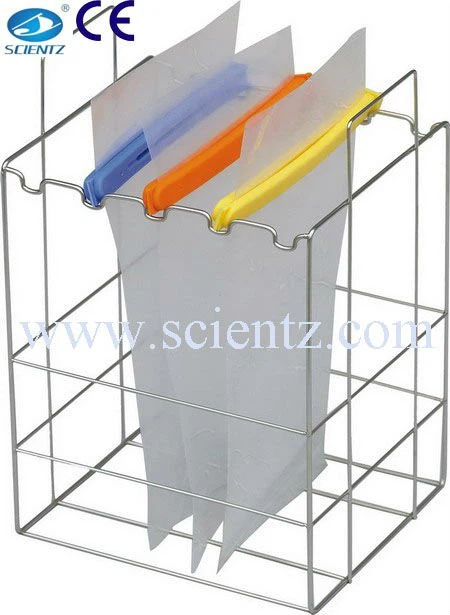
We also have the Scientz - 04 Stainless Steel Ratting Box Laboratory Paddle Blenders. These blenders are made of high - quality stainless steel and are great for mixing and blending various substances in a laboratory setting.
And if you're looking for something for animal tissue homogenization, our 400ml Laboratory Animal Tissue Sterile Homogenizer is a top - notch choice. It's designed to ensure sterile and efficient homogenization.
So, if you're interested in any of our products or have more questions about LCD blender voltage compatibility, don't hesitate to reach out. We're here to help you make the right choice for your needs. Whether you're a small business owner, a researcher, or just someone who needs a good blender for home use, we've got you covered.
In conclusion, voltage compatibility is a crucial factor when it comes to LCD blenders. Make sure you understand the voltage requirements of the blender you're buying and choose the right one for your power supply. And if you have any doubts, feel free to contact us. We're always happy to assist you in your purchasing decision.
References
- General knowledge about electrical appliances and their voltage requirements.
- Experience as an LCD blender supplier dealing with customer inquiries and issues.