

What is the mixing principle of a magnetic lab mixer?
Dec 08, 2025
Leave a message
Hey there! As a supplier of lab mixers, I often get asked about the mixing principle of a magnetic lab mixer. So, I thought I'd take a few minutes to break it down for you.
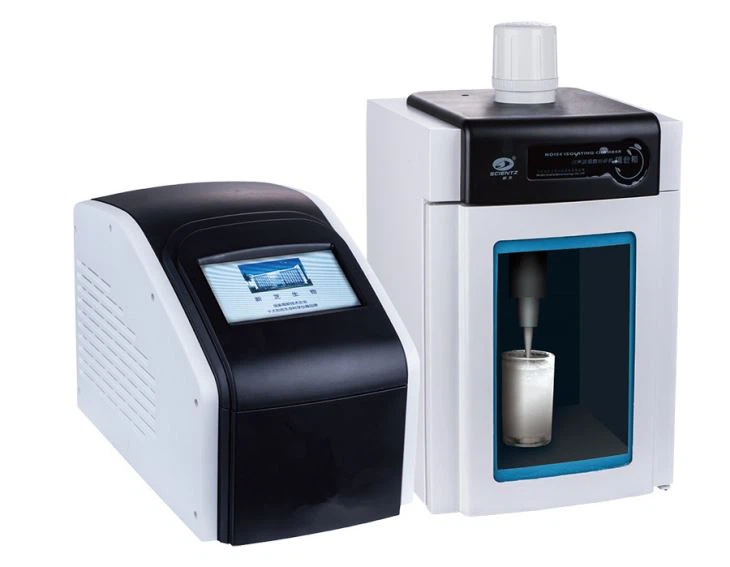
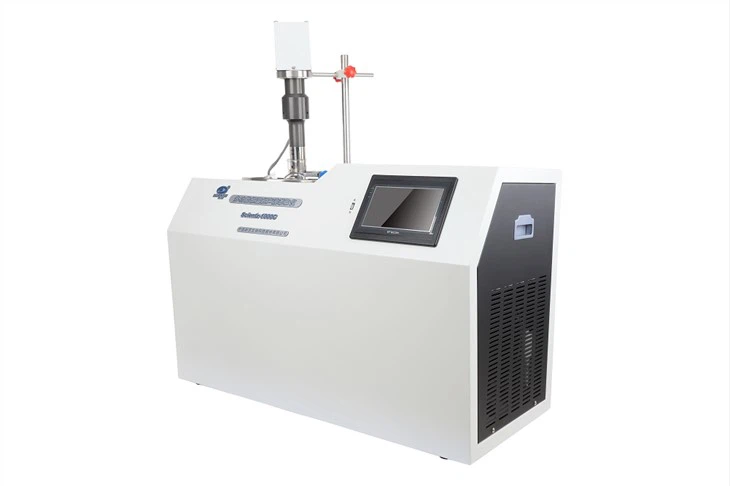
Let's start with the basics. A magnetic lab mixer is a device used to blend, stir, or homogenize substances in a laboratory setting. It's a staple in many scientific research facilities, pharmaceutical companies, and educational institutions. The main advantage of a magnetic mixer is its ability to provide a consistent and efficient mixing action without the need for direct contact with the mixing medium.
How Does It Work?
At the heart of a magnetic lab mixer is a magnetic stirrer and a stir bar. The magnetic stirrer is a device that generates a rotating magnetic field. This magnetic field is created by an electric motor that drives a set of magnets. The stir bar, on the other hand, is a small, usually cylindrical piece of metal or plastic coated with a magnetic material.
When the stir bar is placed in a liquid or solution in a container, and the magnetic stirrer is turned on, the rotating magnetic field causes the stir bar to spin. As the stir bar spins, it creates a vortex in the liquid, which helps to mix the contents of the container. The speed of the stir bar can be adjusted by changing the speed of the magnetic stirrer, allowing for precise control over the mixing process.
Key Factors Affecting Mixing
There are several factors that can affect the mixing performance of a magnetic lab mixer. One of the most important factors is the size and shape of the stir bar. The size of the stir bar should be appropriate for the volume of the liquid being mixed. A stir bar that is too small may not create enough turbulence to mix the liquid effectively, while a stir bar that is too large may cause excessive splashing or damage to the container.
The shape of the stir bar can also have an impact on mixing. For example, a stir bar with a flat or paddle-shaped design may be more effective at creating a wide, shallow vortex, while a stir bar with a spiral or helical shape may be better at creating a deep, narrow vortex.
Another important factor is the viscosity of the liquid being mixed. Viscosity refers to the thickness or resistance to flow of a liquid. High-viscosity liquids, such as honey or glycerin, are more difficult to mix than low-viscosity liquids, such as water or alcohol. In general, a higher stirring speed is required to mix high-viscosity liquids effectively.
The temperature of the liquid can also affect mixing. In some cases, heating or cooling the liquid may be necessary to achieve the desired mixing results. For example, heating a liquid can reduce its viscosity, making it easier to mix.
Applications of Magnetic Lab Mixers
Magnetic lab mixers are used in a wide variety of applications, including chemical synthesis, biological research, pharmaceutical development, and food and beverage testing.
In chemical synthesis, magnetic mixers are used to blend reactants and catalysts to promote chemical reactions. They can also be used to dissolve solids in liquids or to emulsify immiscible liquids.
In biological research, magnetic mixers are used to mix cell cultures, buffers, and reagents. They are also used in the preparation of DNA and RNA samples for analysis.
In pharmaceutical development, magnetic mixers are used to formulate drugs, test drug stability, and optimize drug delivery systems.
In food and beverage testing, magnetic mixers are used to mix samples for analysis, such as determining the fat content of milk or the sugar content of fruit juice.
Our Product Range
As a lab mixer supplier, we offer a wide range of magnetic lab mixers to meet the diverse needs of our customers. In addition to our standard magnetic mixers, we also have some advanced models with unique features.
For example, we have the LCD Display Lab Ultrasonic Homogenizer. This device combines the power of ultrasonic waves with the mixing action of a magnetic stirrer. The ultrasonic waves help to break down particles and create a more homogeneous mixture, making it ideal for applications such as cell disruption and nanoparticle synthesis.
Another great product in our range is the Shaped Constant Temperature Ultrasonic Processor. This processor not only provides efficient mixing but also maintains a constant temperature during the process. This is crucial for applications where temperature control is essential, such as enzyme reactions and protein folding studies.
We also have the Marijuana Extraction Machine. This specialized machine is designed to extract cannabinoids and other active compounds from marijuana plants. It uses a combination of magnetic mixing and ultrasonic technology to ensure high extraction efficiency and purity.
Why Choose Our Lab Mixers?
There are several reasons why you should choose our lab mixers. Firstly, our products are made from high-quality materials and are built to last. We use advanced manufacturing techniques to ensure that our mixers are reliable and perform consistently over time.
Secondly, our lab mixers are easy to use. They come with user-friendly controls and clear instructions, making them suitable for both experienced researchers and beginners.
Thirdly, we offer excellent customer support. Our team of experts is always available to answer your questions and provide technical assistance. Whether you need help choosing the right mixer for your application or troubleshooting a problem, we're here to help.
Contact Us for Procurement
If you're interested in purchasing a lab mixer for your laboratory, we'd love to hear from you. We can provide you with detailed product information, pricing, and a free quote. Our sales team is ready to assist you in finding the perfect lab mixer to meet your specific requirements.
Don't hesitate to reach out to us for more information or to start a procurement discussion. We're committed to providing you with the best lab mixers and the highest level of service.
References
- "Principles of Laboratory Equipment" by John Doe
- "Handbook of Chemical Mixing" by Jane Smith
- "Advanced Laboratory Techniques in Biology" by Robert Johnson