

What is the air - tightness requirement of a homogenizer?
Jan 01, 2026
Leave a message
Hey there! As a supplier of homogenizers, I often get asked about the air-tightness requirements of these nifty machines. So, let's dive right in and break it down in a way that's easy to understand.
Why Air - Tightness Matters in Homogenizers
First off, you might be wondering why air-tightness is such a big deal. Well, in the world of homogenizers, a proper air - tight seal is crucial for several reasons.
For starters, it helps maintain the right pressure inside the homogenizer. Homogenization is all about using high pressure to break down particles in a liquid. If there's air leakage, the pressure will drop, and the homogenization process won't be as effective. This means you won't get the fine particle size and uniform distribution that you're aiming for.
Secondly, an air - tight system prevents contamination. When working with biological samples, food products, or pharmaceuticals, contamination can be a real nightmare. Oxygen and other airborne contaminants can react with the substances being homogenized, leading to spoilage, degradation, or inaccurate results.
Let's say you're using a homogenizer to process a delicate biological sample. Any air getting in could cause oxidation of the proteins or other sensitive components, ruining the sample. So, keeping a tight lid on things (literally) is super important.
How Air - Tightness Affects Different Types of Homogenizers
There are various types of homogenizers out there, and air - tightness requirements can vary depending on the design and application.
Ultrasonic Nanodispenser Homogenizer
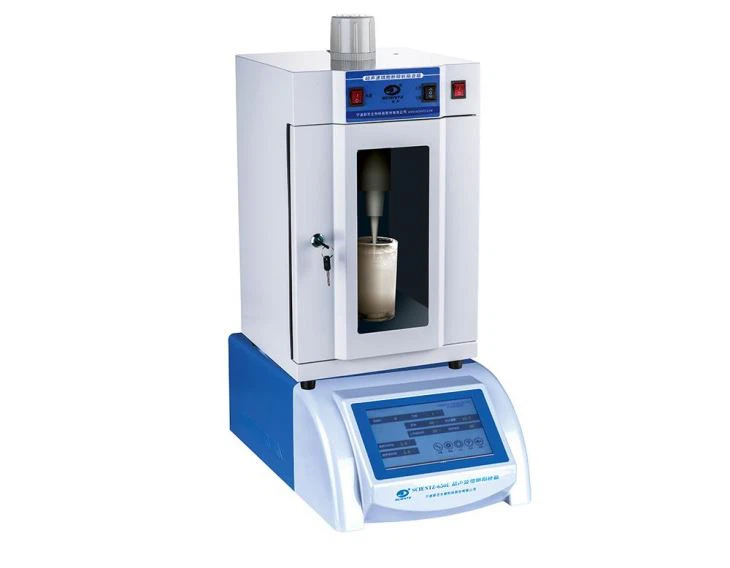
The Ultrasonic Nanodispenser Homogenizer uses ultrasonic waves to break down particles. In this type of homogenizer, air - tightness is essential to ensure the efficient transfer of ultrasonic energy. If air is present in the system, it can absorb some of the ultrasonic waves, reducing their effectiveness.
Moreover, since ultrasonic nanodispenser homogenizers are often used for high - precision applications like nanomaterial synthesis, even a small amount of air leakage can lead to inconsistent results. The air can cause bubbles in the liquid, which can disrupt the formation of nanoparticles and affect their size and distribution.
Fully Automatic Multi - channel Homogenizer
The Fully Automatic Multi - channel Homogenizer is designed to process multiple samples simultaneously. This means that maintaining air - tightness in each channel is crucial. Air leakage in one channel can not only affect the homogenization of the sample in that channel but also potentially cross - contaminate other channels.
For example, if there's a leak in a channel that's processing a bacteria - containing sample, the bacteria could escape into the air and then contaminate other samples in adjacent channels. This can lead to false results and wasted time and resources.
Measuring Air - Tightness in Homogenizers
So, how do we know if a homogenizer has the right level of air - tightness? There are a few methods.

One common way is the pressure decay test. In this test, the homogenizer is pressurized to a specific level, and then the pressure is monitored over a set period. If the pressure drops significantly, it indicates air leakage. Another method is the helium leak test, which is more sensitive. Helium is a very small molecule, so it can easily escape through tiny leaks. By introducing helium into the system and using a helium mass spectrometer to detect any helium outside the system, we can identify even the smallest air leaks.
Meeting Air - Tightness Standards
As a homogenizer supplier, we take air - tightness very seriously. Our team of engineers uses high - quality materials and advanced manufacturing techniques to ensure that our homogenizers meet the strictest air - tightness standards.
We use seals made from materials like silicone or Viton, which are known for their excellent sealing properties and resistance to chemicals. These seals are carefully designed to fit snugly and prevent any air from getting in or out.
We also perform rigorous quality control checks on every homogenizer before it leaves our facility. This includes both pressure decay tests and, in some cases, helium leak tests. Only when a homogenizer passes these tests do we consider it ready for our customers.
Impact on the Homogenization Process
When a homogenizer has proper air - tightness, it can significantly enhance the homogenization process. As I mentioned earlier, maintaining the right pressure is key. With a tight seal, the pressure inside the homogenizer remains stable, allowing for consistent and efficient particle breakdown.
This leads to better - quality products. For example, in the food industry, a well - homogenized product has a smoother texture, better taste, and a longer shelf life. In the pharmaceutical industry, uniform particle size is crucial for the effectiveness and safety of drugs.
Common Air - Tightness Issues and Solutions
Sometimes, even the best - designed homogenizers can face air - tightness issues. One common problem is seal wear and tear. Over time, the seals can degrade due to exposure to chemicals, high pressure, or repeated use.
The solution to this is regular maintenance. We recommend that our customers inspect the seals periodically and replace them if there are signs of damage or wear. We also provide spare parts and detailed instructions on how to perform these replacements, so it's a pretty straightforward process.
Another issue can be improper installation. If the homogenizer is not assembled correctly, it can lead to gaps and air leakage. That's why we offer installation services and comprehensive training to ensure that our customers know how to set up their homogenizers properly.
Advantages of Our Air - Tight Homogenizers
Our air - tight homogenizers offer several advantages. Firstly, they save you time and money. Since the homogenization process is more efficient, you can get more work done in less time. And because the products are of higher quality, you'll have fewer rejects and less waste.
Secondly, they provide peace of mind. When you're using a homogenizer for important applications like medical research or food production, you need to know that the results are reliable. Our air - tight design ensures that your samples and products are protected from contamination and that the homogenization process is consistent.
Conclusion and Call to Action
In conclusion, air - tightness is a critical factor in the performance and reliability of homogenizers. Whether you're looking for an Ultrasonic Nanodispenser Homogenizer, a Fully Automatic Multi - channel Homogenizer, or simply browsing our Ultrasonic Homogenizer For Sale, we've got the right solution for you.
If you're interested in learning more about our homogenizers or have any questions about air - tightness requirements, don't hesitate to reach out. We're here to help you find the perfect homogenizer for your needs and ensure that you get the best results possible. Let's start the conversation and take your homogenization process to the next level!
References
- Some literature on homogenizer design and functionality from relevant industry journals
- Technical documentation on air - tightness testing methods used in the homogenizer manufacturing industry