

Can a homogenizer be used for oil - in - water emulsion preparation?
Nov 05, 2025
Leave a message
Hey there! As a homogenizer supplier, I often get asked if a homogenizer can be used for oil-in-water emulsion preparation. Well, the short answer is yes, and in this blog, I'll dive deep into how and why.
What is an Oil-in-Water Emulsion?
Before we get into the nitty-gritty of using a homogenizer, let's quickly understand what an oil-in-water emulsion is. An oil-in-water emulsion is a mixture where tiny droplets of oil are dispersed in a continuous phase of water. Think of milk - it's a classic example of an oil-in-water emulsion, with milk fat droplets dispersed in water. These emulsions are super common in various industries, like food, cosmetics, and pharmaceuticals.
How Does a Homogenizer Work?
A homogenizer is a piece of equipment that uses mechanical force to break down particles and create a uniform mixture. There are different types of homogenizers, but the basic principle is the same. The mixture is forced through a narrow gap at high pressure, which causes the droplets to break apart and become more evenly distributed.
In the case of oil-in-water emulsions, the homogenizer helps to reduce the size of the oil droplets, making the emulsion more stable. Smaller droplets mean less chance of the oil separating from the water over time. This is crucial in industries where product quality and shelf life are important.
Advantages of Using a Homogenizer for Oil-in-Water Emulsion Preparation
- Improved Stability: As I mentioned earlier, a homogenizer reduces the size of the oil droplets, which makes the emulsion more stable. This means that the product will have a longer shelf life and won't separate easily.
- Enhanced Texture: In food and cosmetic products, the texture is very important. A homogenizer can create a smoother, creamier texture, which is more appealing to consumers.
- Better Mixing: The high-pressure force of the homogenizer ensures that the oil and water are thoroughly mixed, resulting in a more consistent product.
Types of Homogenizers for Oil-in-Water Emulsion Preparation
There are several types of homogenizers that can be used for oil-in-water emulsion preparation. Some of the most common ones include:
- High-Pressure Homogenizers: These are the most widely used type of homogenizers. They work by forcing the mixture through a small orifice at high pressure, which breaks down the droplets. High-pressure homogenizers are great for creating very fine emulsions.
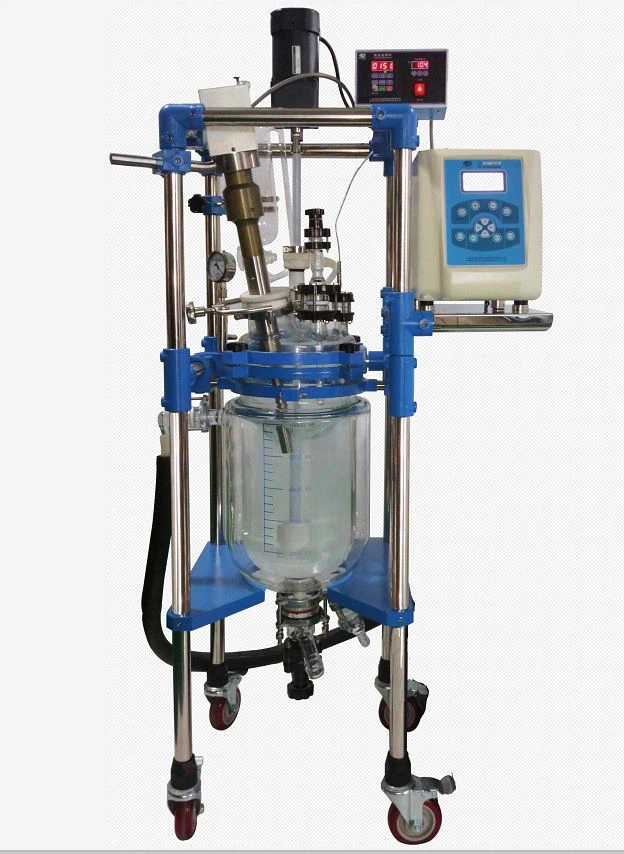
- Ultrasonic Homogenizers: Ultrasonic homogenizers use high-frequency sound waves to create cavitation bubbles in the mixture. When these bubbles collapse, they generate a lot of energy, which breaks down the droplets. Ultrasonic homogenizers are often used for smaller-scale production or when a more gentle mixing process is required. You can check out The Graphene Ultrasonic Equipment for more information on this type of homogenizer.
- Rotor-Stator Homogenizers: These homogenizers use a rotating rotor and a stationary stator to create shear forces that break down the droplets. Rotor-stator homogenizers are suitable for a wide range of applications and can handle higher viscosities.
Factors to Consider When Using a Homogenizer for Oil-in-Water Emulsion Preparation
- Pressure: The pressure at which the homogenizer operates is crucial. Higher pressure generally results in smaller droplet sizes, but it also requires more energy and can cause wear and tear on the equipment.
- Temperature: The temperature of the mixture can affect the stability of the emulsion. It's important to control the temperature during the homogenization process to ensure the best results.
- Emulsifier Concentration: Emulsifiers are substances that help to stabilize the emulsion. The concentration of the emulsifier can affect the quality of the emulsion, so it's important to find the right balance.
Case Studies
Let's take a look at some real-world examples of how homogenizers are used for oil-in-water emulsion preparation.
In the food industry, a dairy company was having problems with the stability of their milk-based products. The oil droplets in the milk were too large, which caused the product to separate quickly. By using a high-pressure homogenizer, they were able to reduce the size of the oil droplets and improve the stability of the product. This resulted in a longer shelf life and higher customer satisfaction.
In the cosmetic industry, a skincare company wanted to create a more luxurious texture for their moisturizer. They used an ultrasonic homogenizer to create a finer emulsion, which gave the moisturizer a smoother, creamier texture. The product was well-received by consumers, and sales increased.
Conclusion
So, to answer the question, yes, a homogenizer can definitely be used for oil-in-water emulsion preparation. It offers many advantages, such as improved stability, enhanced texture, and better mixing. There are different types of homogenizers available, each with its own advantages and disadvantages. By considering factors like pressure, temperature, and emulsifier concentration, you can achieve the best results.
If you're in the market for a homogenizer for oil-in-water emulsion preparation, I'd love to help. We offer a wide range of homogenizers, including The Graphene Ultrasonic Equipment, Ultrasonic Reactor, and we also have information on Probe Sonicator Price. Whether you're a small-scale producer or a large corporation, we can find the right solution for you. Don't hesitate to reach out to us for more information or to discuss your specific needs.

References
- McClements, D. J. (2012). Food Emulsions: Principles, Practice, and Techniques. CRC Press.
- Walstra, P., Wouters, J. T. M., & Geurts, T. J. (2006). Dairy Technology: Principles of Milk Properties and Processes. CRC Press.
- Sjöblom, J., Paulsson, M., & Edlund, H. (2009). Emulsions and Emulsion Stability. CRC Press.